Early detection of gelcoat chalking and oxidation can save thousands in repairs and preserve your yacht's stunning appearance.
Share:

Summary:
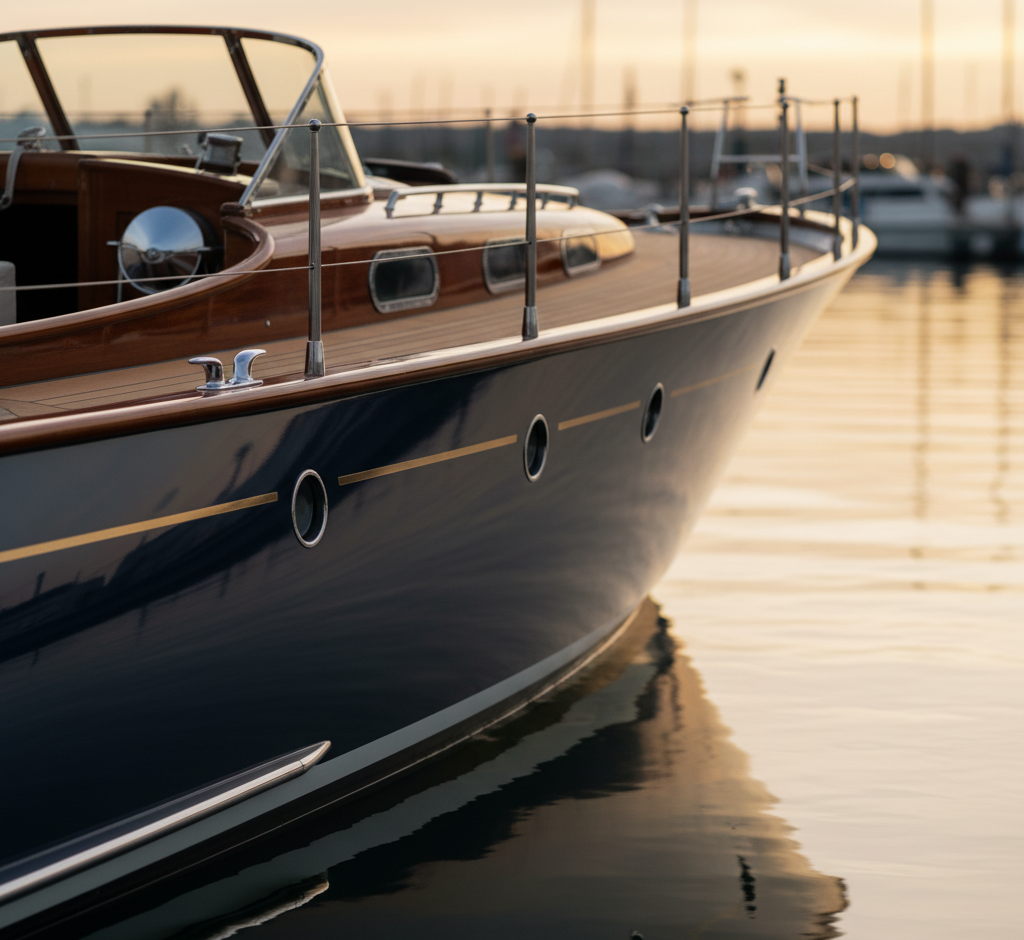
Your yacht’s high-gloss gelcoat isn’t just about looks—it’s your first line of defense against Long Island Sound’s harsh marine environment. Every day on the water exposes that pristine surface to UV radiation, salt crystallization, and temperature swings that would destroy automotive paint in months.
The key to protecting your investment? Catching damage before it becomes permanent. Preventative care combined with secure, climate-controlled indoor storage services helps minimize prolonged UV exposure, moisture intrusion, and environmental stress that accelerate oxidation and surface breakdown.
You’ll learn exactly what to look for, when to take action, and how early intervention can save you thousands in restoration costs while keeping your vessel looking showroom-fresh.
Gelcoat oxidation isn’t just cosmetic—it’s a chemical breakdown happening at the molecular level. When UV rays hit your yacht’s surface, they cause gelcoat polymers to deteriorate, leaving behind a chalky residue that dulls even the most vibrant colors.
The process starts invisibly. Long before you notice that telltale chalky appearance, oxygen and moisture are already working their way into microscopic pores in the gelcoat. What begins as slight dulling quickly progresses to that powdery, faded look that screams “neglected boat.”
In Long Island Sound’s saltwater environment, this process accelerates dramatically. Salt crystals act like tiny magnifying glasses, intensifying UV damage while creating additional stress points where oxidation can take hold.

Here’s the most reliable way to catch oxidation before it becomes a major problem: run your hand across your gelcoat surface, then check your fingertips. If you see chalky residue on your skin, oxidation has already begun breaking down the surface layer.
This simple test works because oxidized gelcoat literally crumbles at the microscopic level. Those loose particles transfer to anything that touches them—your hand, a cloth, even morning dew. The earlier you catch this chalking, the easier and less expensive the fix becomes.
Don’t limit yourself to obvious areas. Check sections that get the most sun exposure: the starboard side if you typically dock port-side-to, the bow where spray hits hardest, and any horizontal surfaces where UV rays beat down relentlessly. These spots often show damage first, giving you advance warning of what’s coming to the rest of your hull.
The color of the residue tells you something too. White or light-colored chalk usually indicates surface-level oxidation that responds well to polishing compounds. Darker residue or actual color transfer means the damage has penetrated deeper into the gelcoat layers—a sign that professional paint correction may be necessary.
Pay special attention to areas around hardware, where water can pool and accelerate the oxidation process. Stanchion bases, cleats, and through-hull fittings create natural collection points for salt and moisture. These spots often need attention before the surrounding gelcoat shows obvious signs of damage.
Oxidation follows a predictable progression, and recognizing each stage helps you intervene at the right time with the right solution. Early-stage damage appears as a subtle loss of gloss—your gelcoat looks slightly flat compared to when it was new, especially noticeable in direct sunlight.
As deterioration progresses, you’ll notice color changes. Deep blues start looking grayish, vibrant reds fade to pink, and even white gelcoat takes on a yellowish tint. This isn’t just surface dirt—it’s the gelcoat’s pigments breaking down under UV assault.
The texture changes too. Run your hand over suspected areas and feel for roughness where the surface once felt glass-smooth. This roughness creates more surface area for contaminants to stick, accelerating the damage cycle. What started as oxidation now becomes a magnet for dirt, salt, and other pollutants.
Advanced oxidation creates visible chalking that you can see from several feet away. The gelcoat looks dusty or powdery, and water no longer beads on the surface like it should. Instead, it spreads out in sheets, indicating that the protective properties have been compromised.
In severe cases, you might notice actual crazing—tiny spider-web cracks in the gelcoat surface. This represents structural damage that goes beyond simple oxidation. The gelcoat has become brittle and is literally breaking apart under stress. At this stage, spot repairs or complete refinishing become necessary.
Don’t ignore seemingly minor imperfections like small scratches or chips. In the marine environment, these quickly become entry points for salt water and accelerate oxidation around the damaged area. A small scratch left untreated can become a spreading zone of gelcoat failure within a single season.
Want live answers?
Connect with a Legacy Motors & Marine expert for fast, friendly support.
There’s a clear line between damage you can address with routine maintenance and problems that require professional intervention. Understanding this distinction saves you from wasting time and money on DIY solutions that can’t handle serious oxidation.
Professional paint correction becomes necessary when simple polishing compounds no longer restore the gelcoat’s original appearance. If you’ve tried quality marine polishes and still see chalking, dullness, or color variation, the damage has penetrated beyond what surface treatments can fix.
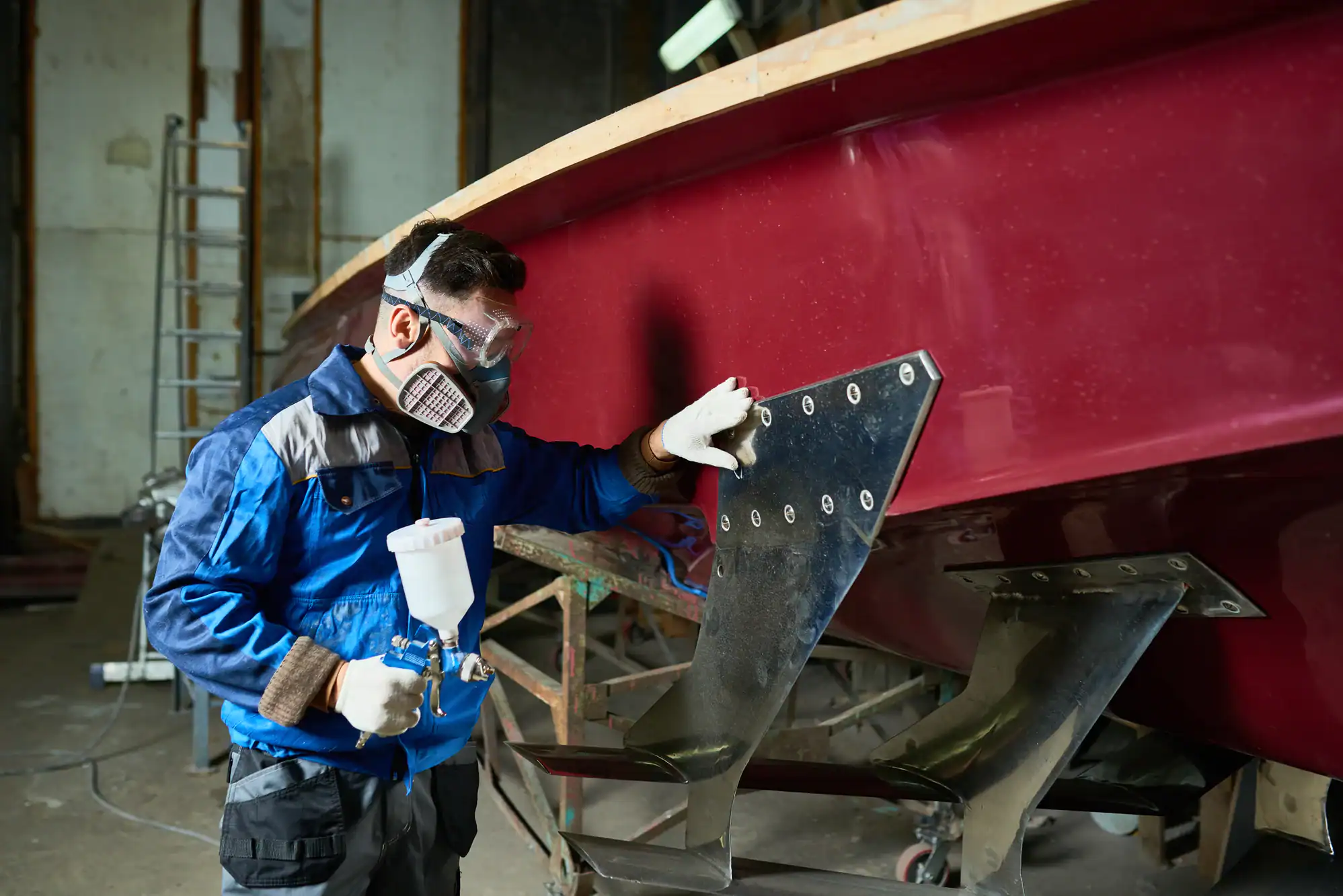
Marine ceramic coatings require proper surface preparation to bond correctly. Any existing oxidation must be completely removed first, or the coating will simply lock in the damaged appearance underneath. This is where our professional expertise becomes invaluable—we know exactly how much material to remove without compromising the gelcoat’s integrity.

Long Island Sound presents unique challenges that make early detection and prevention absolutely critical. The combination of saltwater, intense summer UV, and temperature fluctuations creates an environment where gelcoat damage accelerates rapidly compared to freshwater or inland conditions.
Salt spray doesn’t just rinse off—it crystallizes on your gelcoat surface, creating thousands of tiny lenses that focus UV radiation and intensify damage. These salt crystals also expand and contract with temperature changes, creating mechanical stress that weakens the gelcoat matrix over time.
The Sound’s busy waterway means constant exposure to wake action, which keeps salt water in contact with your hull surfaces longer than in calmer waters. Every wave that breaks over your bow deposits more salt, while the constant motion prevents proper drying between exposures.
Weather patterns in the region compound these challenges. Summer thunderstorms create rapid temperature swings that stress gelcoat surfaces, while winter freeze-thaw cycles can turn minor surface imperfections into major damage points. Spring’s intense UV, combined with cooler water temperatures, creates ideal conditions for rapid oxidation.
Boat owners who understand these regional factors adjust their maintenance schedules accordingly. What might be annual maintenance in other areas becomes seasonal necessity in Long Island Sound. The investment in preventive care pays dividends by avoiding the much higher costs of gelcoat restoration or replacement.
Professional marine ceramic coatings designed for this environment provide protection that standard automotive products simply can’t match. They’re formulated to resist salt crystallization, maintain flexibility through temperature extremes, and provide long-term UV protection that keeps your investment looking pristine season after season.
Successful gelcoat protection starts with a systematic inspection routine that catches problems while they’re still easily fixable. Your schedule should align with the realities of boating in Nassau County, NY and Suffolk County, NY waters, where environmental stresses are constant and unforgiving.
Monthly inspections during boating season should focus on high-risk areas: the starboard side if you dock port-to, all horizontal surfaces, and anywhere hardware creates water collection points. Use the hand test consistently—your fingertips will detect chalking long before your eyes see obvious damage.
Document what you find with photos taken in consistent lighting conditions. Gelcoat deterioration happens gradually, and side-by-side comparisons help you spot changes that might otherwise go unnoticed. Pay special attention to color shifts, which often indicate oxidation is beginning even when the surface still feels smooth.
Seasonal deep inspections should cover every square inch of gelcoat, looking for the subtle signs that indicate developing problems. Use a bright LED flashlight to highlight surface texture changes, and don’t forget areas that are normally underwater—they’re actually more susceptible to certain types of damage because they stay wet longer.
Post-storm inspections are crucial in Long Island Sound, where weather can change rapidly and severely. Salt spray driven by high winds can deposit corrosive residue in places that normally stay dry. Temperature swings during storms also stress gelcoat surfaces, potentially turning minor imperfections into major problems overnight.
Keep detailed records of what you find and when. This documentation helps you track whether problems are developing faster in certain areas, indicating potential issues with drainage, hardware installation, or other factors that might need professional attention. Early intervention based on these patterns can prevent minor issues from becoming major restoration projects.
Your yacht’s high-gloss gelcoat faces relentless challenges in Long Island Sound’s marine environment, but early detection gives you the power to stay ahead of permanent damage. The simple hand test, systematic visual inspections, and understanding of regional environmental factors combine to create a protection strategy that preserves both appearance and value.
Remember that oxidation and chalking are progressive processes—what starts as minor surface dulling quickly accelerates into expensive restoration projects if left unchecked. The key is consistent monitoring and professional intervention when DIY solutions reach their limits.
When prevention isn’t enough and professional paint correction becomes necessary, we have the expertise and marine-specific coatings to restore and protect your investment for years to come.
Article details:
Share:
Continue learning: