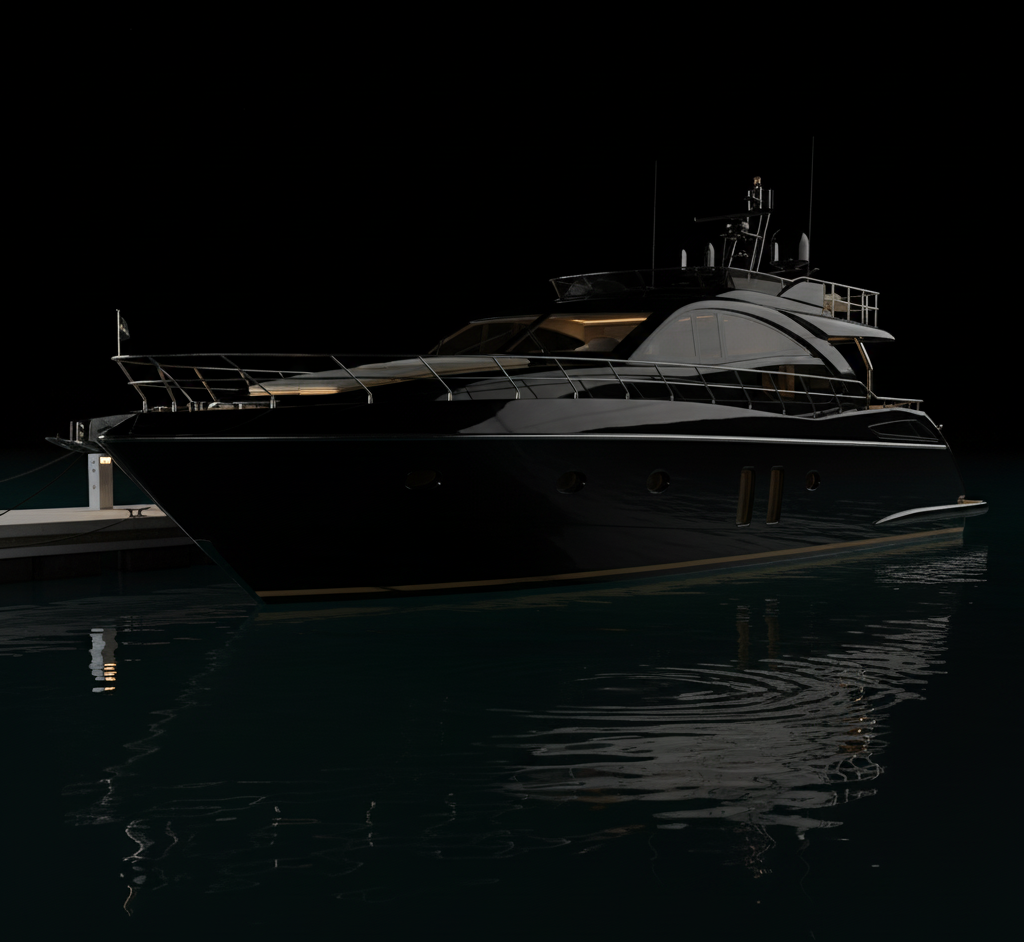
Simrad AutoCaptain brings autonomous docking to Long Island yachts in 2026, eliminating stress in crowded marinas with AI-powered precision and real-time obstacle detection.
Share:
Summary:
AutoCaptain is Brunswick Corporation’s answer to the question every yacht owner asks: why can’t my boat dock itself? After more than a decade developing autonomous marine technology, Simrad released the first commercially available system that actually delivers on that promise.
The technology uses six integrated, depth-perceiving cameras to create 360-degree situational awareness around your vessel. These aren’t basic backup cameras. Each lens feeds real-time data to onboard AI that calculates distances, identifies obstacles, and makes intelligent adjustments for wind, current, and nearby boats—all while you remain at the helm with full override capability.
What separates AutoCaptain from assistance-based systems is simple: it doesn’t just help you dock, it handles the entire maneuver autonomously. You select your berth on the Simrad display, press the autodocking button, and watch the system execute smooth, deliberate movements that account for everything happening around your vessel. When you’re secured against the dock, the hold-at-dock feature maintains position while you prepare lines and fenders without rushing.
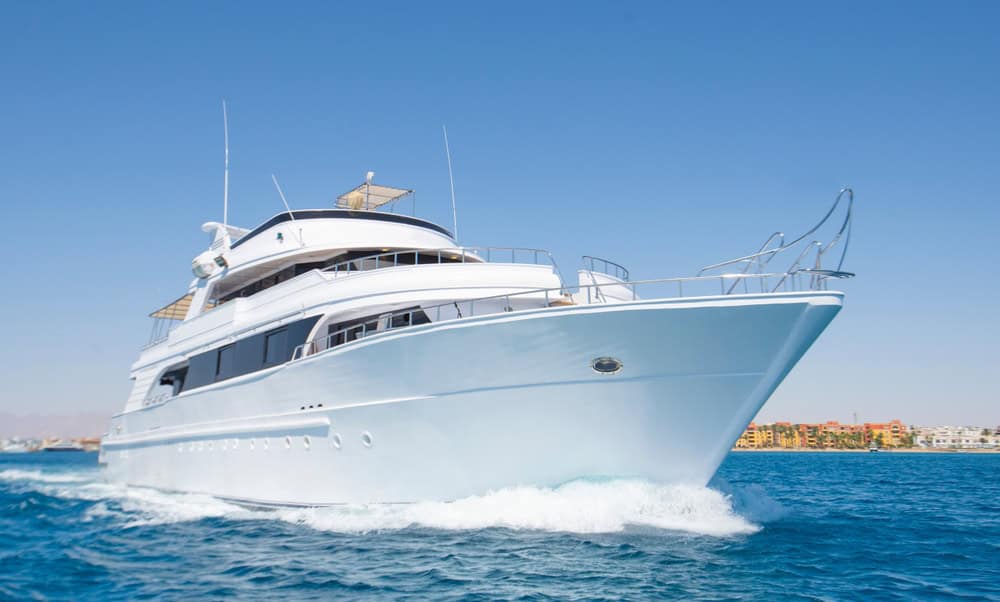
Long Island presents unique challenges that make AI-assisted docking particularly valuable. The Great South Bay spans 25 nautical miles with depths ranging from 7 to 10 feet MLW—shallow enough that positioning errors become expensive quickly. Add crowded marinas, busy summer weekends, and the unpredictable wind patterns that sweep across the barrier islands, and you’ve got conditions where even experienced captains struggle.
Traditional joystick controls help, but they still require you to process multiple inputs simultaneously while compensating for environmental factors in real time. Miss your approach angle by a few degrees, misjudge the current pushing your stern, or overcorrect when wind catches your bow, and you’re looking at gelcoat damage, bent railings, or worse.
AutoCaptain eliminates that cognitive load entirely. The system continuously scans the environment, making micro-adjustments faster than human reaction time allows. When wind shifts mid-approach, the AI compensates instantly. When current pushes you off course, the system corrects before you’d even notice the deviation.
For Nassau and Suffolk County yacht owners, this translates to confidence in situations that previously caused anxiety. Unfamiliar marinas no longer require scouting trips or white-knuckle first attempts. Solo docking becomes manageable without crew scrambling with fenders. Short-handed operations don’t mean choosing between controlling the helm and preparing dock lines.
The technology particularly shines in the tight quarters common to Long Island Sound marinas. Where traditional docking requires perfect timing and spatial awareness, AutoCaptain handles the precision work while you maintain situational oversight. You’re not trusting blind automation—you’re leveraging AI assistance for the mechanical execution while keeping full control of the decision-making process.
And unlike GPS-dependent systems that only work at pre-mapped locations, AutoCaptain adapts to any environment in real time. Your first visit to a new marina in Montauk works exactly the same as your home dock in Bay Shore. The system doesn’t need to “learn” your berth—it assesses the situation dynamically and executes accordingly.
The difference between AutoCaptain and aftermarket docking assistance comes down to integration depth. This isn’t a bolt-on accessory that talks to your existing systems through basic connections. It’s a factory-designed solution developed in exclusive partnership with Mercury Marine, engineered from the ground up to work seamlessly with advanced propulsion systems.
That integration matters more than most yacht owners realize. Autonomous docking requires instantaneous, precise control over thrust, direction, and positioning—the kind of real-time adjustments that aftermarket solutions simply can’t execute reliably. When AutoCaptain commands a specific thruster movement to counteract wind shear, the Mercury propulsion system responds without the lag or imprecision that plagues retrofitted systems.
The hardware consists of six strategically positioned cameras that provide depth perception and obstacle detection across your vessel’s entire perimeter. These feed into a dedicated processing unit that runs the AI algorithms, which then communicates directly with your Mercury joystick controls and propulsion system. Everything displays through a dedicated Simrad app on your existing multifunction display, keeping your helm clean and uncluttered.
For Long Island yacht owners considering the upgrade, proper installation becomes critical. The marine environment you operate in—salt air, temperature swings from below freezing to summer heat, constant vibration, and moisture exposure—destroys electronics that aren’t installed to marine-grade standards. This is where professional integration separates systems that work reliably from those that fail when you need them most.
Proper installation means tinned copper wiring that resists corrosion in saltwater environments. It means marine-grade heat shrink tubing and dielectric grease on every connection to prevent galvanic corrosion. It means understanding NMEA 2000 integration so AutoCaptain communicates seamlessly with your chartplotter, radar, and other marine electronics rather than creating a fragmented system of competing devices.
Camera placement requires both technical knowledge and practical boating experience. The six cameras need unobstructed views while remaining protected from spray and impact. Mounting locations must account for your vessel’s specific geometry, ensuring coverage of blind spots without creating new ones. Cable routing needs to avoid RF interference with VHF radio and other communication equipment while maintaining weatherproof integrity through bulkheads and deck penetrations.
The system also requires proper power management integration. AutoCaptain operates continuously when active, drawing from your vessel’s electrical system without draining batteries or creating voltage drops that affect other equipment. This demands correctly sized circuits, appropriate fusing, and integration with your existing power distribution that accounts for total system load.
For Nassau and Suffolk County yacht owners, choosing an installer who understands these requirements matters as much as the technology itself. We bring marine electronics expertise specifically tailored to Long Island’s demanding conditions—the kind of knowledge that prevents the corroded connections, intermittent failures, and system conflicts that plague installations done by shops without proper marine experience.
Want live answers?
Connect with a Legacy Motors & Marine expert for fast, friendly support.
The question most Long Island yacht owners ask isn’t whether autonomous docking technology works—it’s whether their existing vessel can accommodate it. AutoCaptain is currently available as an OEM-integrated system on select new builds, but the broader retrofit market represents the real opportunity for Nassau and Suffolk County boaters who want to upgrade their current vessels.
Retrofitting marine electronics into existing yachts requires careful assessment of compatibility, space, and system architecture. Your vessel needs Mercury Marine propulsion with joystick controls as the foundation—AutoCaptain’s exclusive integration with Mercury systems isn’t just a partnership detail, it’s a technical requirement for the precision control that makes autonomous docking possible.
Beyond propulsion compatibility, successful retrofits depend on having adequate space for camera mounting, processing unit installation, and proper cable routing without compromising your vessel’s aesthetics or functionality. This is where professional marine electronics installation becomes essential rather than optional.
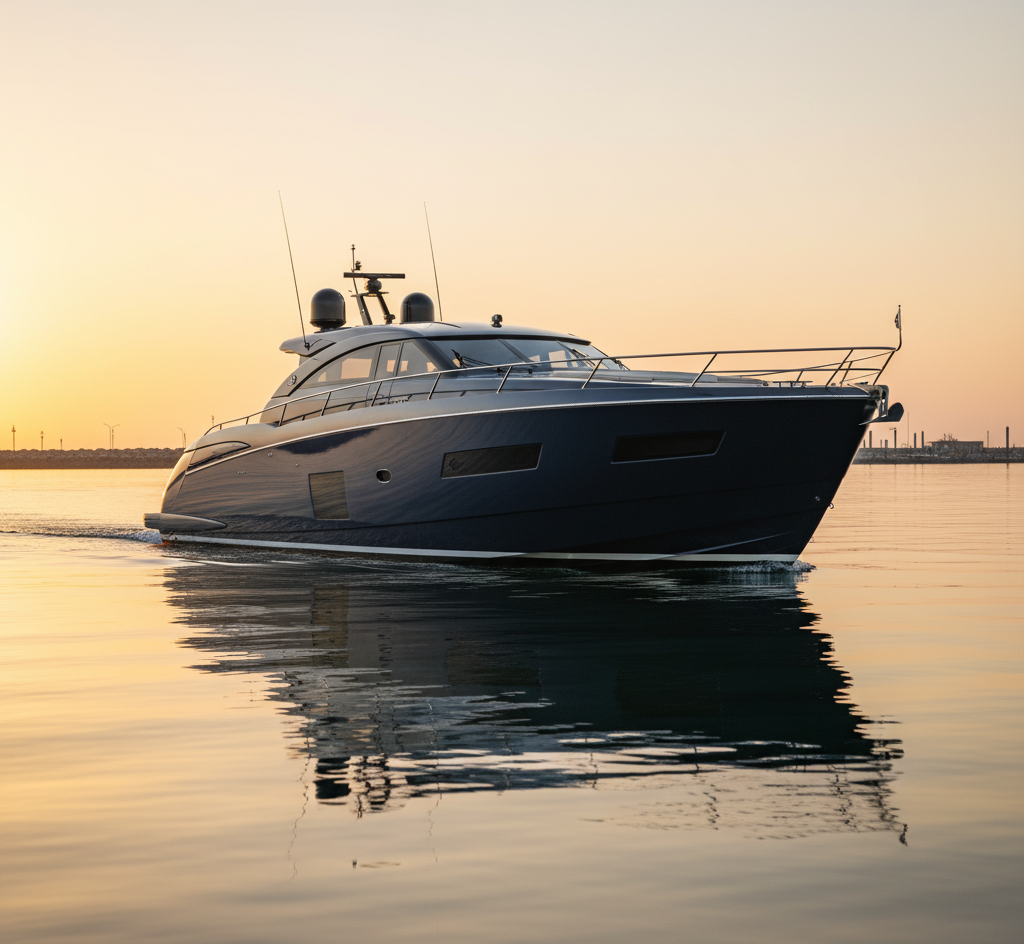
Professional AutoCaptain installation begins with comprehensive assessment of your vessel’s existing systems and layout. Every yacht presents unique challenges—helm configuration, available mounting locations, existing electronics integration, and electrical capacity all factor into installation planning.
The process starts with understanding exactly how you use your boat and what you need from autonomous docking assistance. If you primarily operate in Great South Bay’s shallow waters with frequent stops at crowded marinas, the installation priorities differ from someone cruising Long Island Sound with occasional docking at less congested facilities. Your usage patterns inform camera positioning, display integration preferences, and how the system interfaces with your existing navigation electronics.
Next comes detailed installation planning. Camera locations get mapped to ensure complete 360-degree coverage while avoiding spray zones and potential impact areas. Cable routing gets planned to minimize RF interference, prevent water intrusion, and maintain clean aesthetics. Power requirements get calculated against your existing electrical system capacity, with upgrades specified if needed to support the additional load without compromising other equipment.
The actual marine electronics installation demands marine-grade execution at every step. Camera mounting uses stainless hardware with proper backing plates and sealant to prevent water intrusion. All wiring uses tinned copper conductors sized appropriately for voltage drop over the cable run lengths. Connections get marine-grade heat shrink tubing and dielectric grease. Bulkhead penetrations receive proper through-hull fittings with watertight seals.
Integration with your existing Simrad multifunction display requires NMEA 2000 backbone connection and proper network configuration so AutoCaptain communicates seamlessly with chartplotters, radar, and other marine electronics. The goal is unified system architecture where everything works together rather than competing devices fighting for display priority or creating conflicting information.
After physical installation comes system calibration and testing. Camera alignment gets verified to ensure accurate depth perception and obstacle detection. The AI system gets calibrated to your vessel’s specific handling characteristics—how it responds to thrust, how wind affects the hull, how current influences positioning. This calibration process ensures AutoCaptain makes adjustments appropriate for your yacht’s size, weight distribution, and propulsion configuration.
For Long Island yacht owners, installation timing matters. The marine electronics upgrade process typically takes several days depending on vessel complexity and any custom fabrication required for mounting solutions. Planning installation during off-season or early spring means your yacht is ready when boating season arrives rather than losing valuable summer weekends to service appointments.
We also provide operator training after system commissioning. AutoCaptain’s interface is designed for intuitive use, but understanding the system’s capabilities, limitations, and proper operation ensures you get maximum value from the technology. Learning how to select berths, initiate autonomous sequences, and override the system when necessary gives you confidence to actually use the features rather than leaving expensive technology dormant.
One of AutoCaptain’s most valuable features has nothing to do with current capabilities—it’s the platform’s scalability for future enhancements. The same hardware that handles autonomous docking today is designed to support expanded autonomous features rolled out through software updates, making your 2026 installation relevant for years to come.
This future-ready architecture matters more than most yacht owners initially recognize. Marine electronics typically become obsolete within 5-7 years as technology advances and manufacturers discontinue support for older systems. By the time you’re ready to upgrade, you’re looking at complete replacement rather than enhancement of existing equipment.
AutoCaptain breaks that cycle by separating hardware from functionality. The camera array, processing unit, and propulsion integration you install now provide the foundation for capabilities that don’t even exist yet. As Brunswick develops new autonomous features—enhanced navigation assistance, advanced collision avoidance, automated route optimization—your system receives those improvements through software updates rather than requiring new hardware installation.
For Nassau and Suffolk County yacht owners, this approach protects your marine electronics investment while positioning your vessel at the forefront of smart boating technology. When autonomous features expand beyond docking to include precision anchoring, automated MOB (man overboard) response, or AI-assisted navigation through challenging conditions, your yacht already has the infrastructure to support those capabilities.
The scalability also addresses a practical concern many Long Island boaters face: the short window for marine electronics installation and testing. Scheduling major system upgrades during boating season means losing precious time on the water. Installing AutoCaptain’s hardware platform now—even if you don’t immediately use every feature—means future enhancements arrive via software update without requiring additional installation time or service appointments.
This future-proof design philosophy extends to integration with evolving marine electronics standards. As NMEA protocols advance, as display technology improves, as new sensors become available, the AutoCaptain platform is architected to incorporate those developments rather than becoming incompatible with newer equipment.
The practical implication for yacht owners considering the upgrade: you’re not just installing 2026 technology, you’re establishing the foundation for the next decade of marine electronics evolution. Your vessel becomes a platform for continuous improvement rather than a static system that slowly falls behind current capabilities.
For those operating in Long Island’s competitive yacht market, this positioning also impacts resale value. Vessels equipped with cutting-edge, upgradeable technology command premium pricing compared to boats with older, obsolete electronics. Buyers recognize the difference between a yacht that needs immediate electronics overhaul and one that’s already equipped with current, expandable systems.
AI-driven boating isn’t coming someday—it’s here now, commercially available, and specifically designed for the conditions you face every time you navigate Nassau and Suffolk County waters. Simrad AutoCaptain represents the most significant advancement in marine electronics since GPS navigation, transforming the highest-stress aspect of yacht ownership into a manageable, even enjoyable experience.
The technology works because it addresses a real problem Long Island boaters face constantly: crowded marinas, challenging conditions, and the anxiety that comes with maneuvering expensive vessels in tight quarters under scrutiny. By handling the mechanical precision of docking while you maintain situational oversight, AutoCaptain eliminates stress without removing you from the process.
What separates successful installations from disappointing ones is proper integration by professionals who understand both the technology and the marine environment. Long Island Sound’s harsh conditions—salt air, temperature extremes, constant vibration—demand installation standards that many shops simply don’t meet. Choosing experienced marine electronics specialists ensures your investment performs reliably season after season rather than failing when you need it most.
If you’re ready to explore how autonomous docking technology fits your vessel and your boating patterns, we combine the marine electronics expertise and local knowledge that makes these installations work correctly. The smart boating era is here—your yacht can be part of it.
Article details:
Share:
Continue learning: