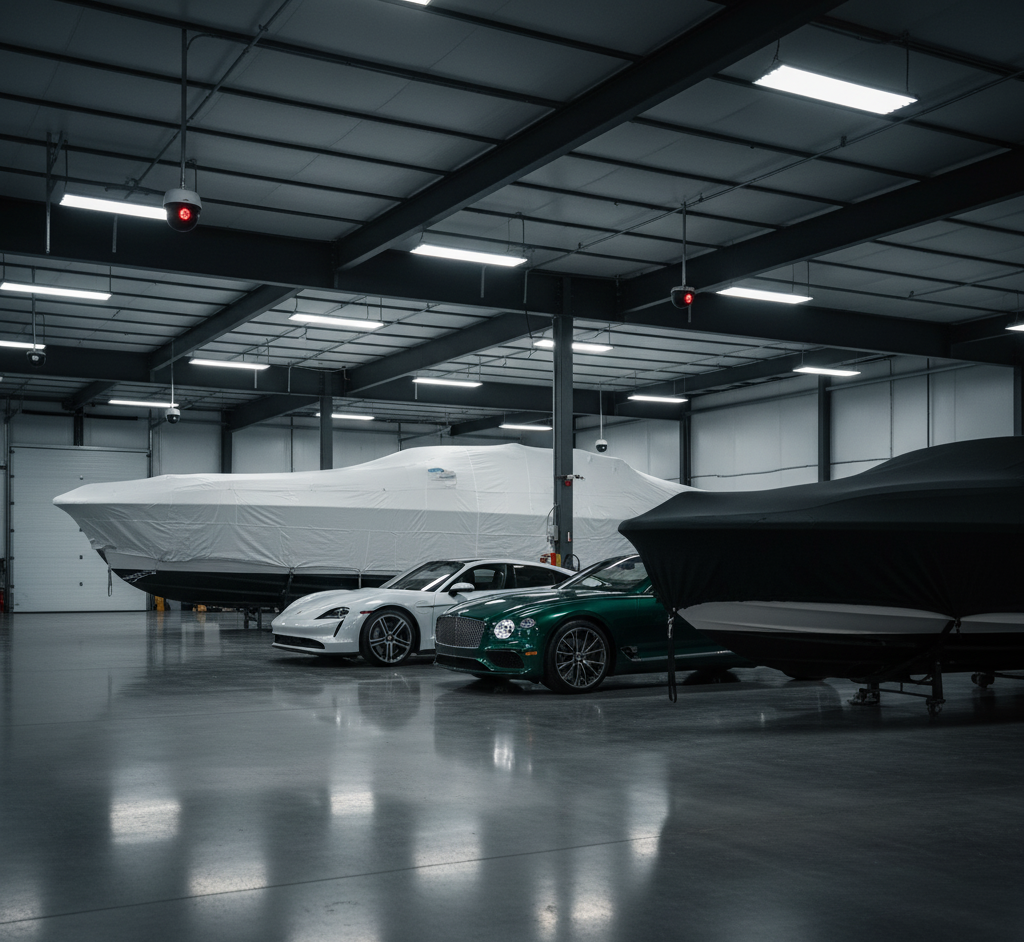
Professional marine winterization protects luxury vessels from catastrophic freeze damage that can cost tens of thousands in repairs.
Share:

Summary:
Your engine’s cooling system contains multiple water circuits that amateur winterization often misses. Fresh water, raw water, and closed cooling systems each require different procedures and specific antifreeze solutions.
We understand that incomplete drainage leaves residual water in hidden pockets—water pumps, heat exchangers, and manifold passages where freezing causes catastrophic damage. We use proper marine antifreeze and follow manufacturer-specific procedures for your engine type.
The stakes couldn’t be higher. A cracked engine block from improper winterization can cost over $10,000 to replace, and that’s just the beginning of your problems.

Nassau County’s unpredictable weather patterns create unique challenges for marine winterization. Temperatures can swing from mild to freezing within hours, catching unprepared vessels off guard.
Most boat owners attempt to drain their cooling systems using basic techniques—running the engine out of water or using simple drain plugs. This approach misses critical areas where water remains trapped. Engine manifolds, heat exchangers, and water pump housings contain hidden pockets that standard draining doesn’t reach.
We use specialized equipment to force antifreeze through every circuit. We understand the specific drain points for different engine manufacturers and know which systems require pressurized flushing versus gravity drainage.
The difference shows up in spring. Properly winterized engines start reliably and run smoothly. Improperly protected engines reveal cracked blocks, damaged manifolds, and destroyed water pumps—repairs that often exceed the vessel’s value.
We also recognize that different engine types require completely different approaches. Inboard engines need block drainage and antifreeze circulation. Outboard engines require fogging and lower unit service. Stern drives combine both requirements with additional bellows and gimbal bearing considerations.
Temperature monitoring throughout winter storage reveals another critical factor. Even indoor storage facilities experience temperature fluctuations that can cause freeze damage if systems aren’t properly protected with marine-grade antifreeze at appropriate concentrations.
Fuel system contamination destroys engines from the inside, and Long Island’s ethanol-blended gasoline creates additional complications that most boat owners don’t understand. Phase separation occurs when ethanol absorbs moisture and separates from gasoline, creating a corrosive mixture that damages fuel injectors, pumps, and internal engine components.
Our fuel system winterization goes beyond adding stabilizer to your tank. We drain contaminated fuel, replace fuel filters, and use specific treatment procedures for different fuel system types. We understand that fuel/water separators must be completely replaced—never cleaned and reused—to prevent debris from entering your engine.
The process requires running treated fuel through the entire system to ensure protection reaches every component. Carbureted engines need different treatment than fuel-injected systems. High-performance engines with multiple fuel pumps and complex delivery systems require specialized procedures.
Spring commissioning reveals the consequences of inadequate fuel system preparation. Engines that received proper professional treatment start immediately and run cleanly. Those that didn’t often require complete fuel system cleaning, injector replacement, and sometimes engine rebuilding.
We also address fuel tank venting and vapor recovery systems that amateur winterization ignores. These systems can trap moisture and create corrosion throughout the fuel delivery network. Proper winterization includes inspecting and protecting every component that contacts fuel or fuel vapors.
Storage location affects fuel system requirements significantly. Boats stored outdoors face greater temperature swings and moisture exposure than those in climate-controlled facilities. We adjust our procedures based on storage conditions to ensure adequate protection throughout the winter months.
Want live answers?
Connect with a Legacy Motors & Marine expert for fast, friendly support.
Luxury vessels contain extensive fresh water systems that amateur winterization consistently underestimates. Water heaters, pressure pumps, accumulator tanks, and complex plumbing networks require systematic drainage and antifreeze protection that goes far beyond basic procedures.
We map your vessel’s water systems and follow specific sequences to ensure complete protection. We understand which components can be drained and which require antifreeze circulation. Water heaters need bypass procedures, pressure pumps require specific treatment, and ice makers demand complete system purging.
The consequences of incomplete fresh water winterization extend beyond frozen pipes. Cracked fittings, destroyed pumps, and contaminated systems create health hazards and expensive repairs that insurance often doesn’t cover.
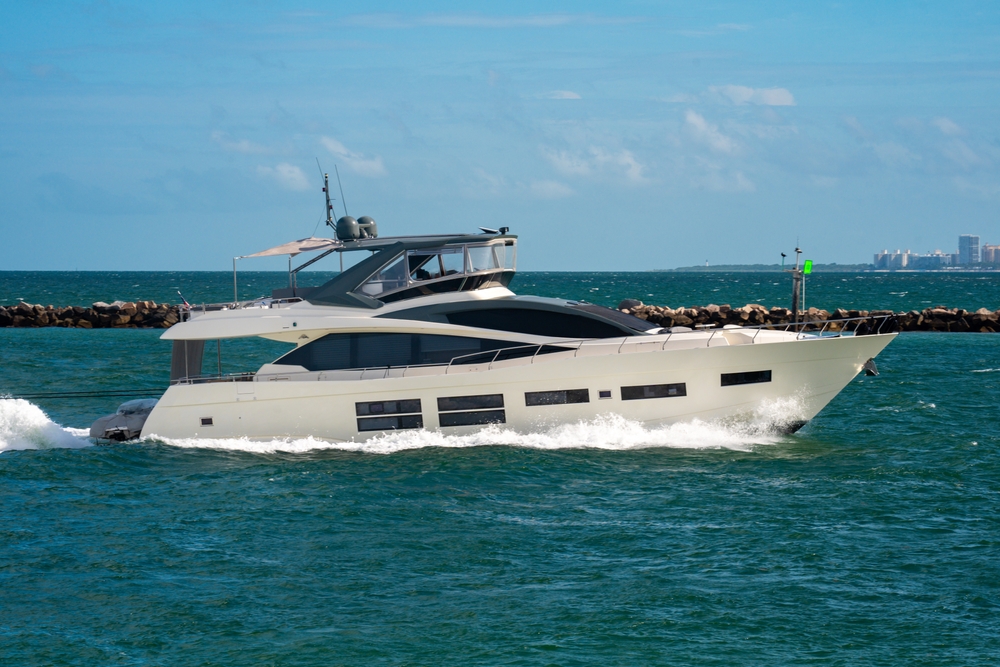
Modern luxury vessels contain plumbing systems that rival residential installations in complexity. Multiple pressure zones, hot water circulation, filtration systems, and waste management networks each require specific winterization procedures that amateur approaches consistently miss.
Water pressure systems create particular challenges because residual pressure can prevent complete drainage. We use proper depressurization procedures and understand which components need antifreeze circulation versus complete drainage. We recognize that water can remain trapped in check valves, pressure switches, and accumulator tanks even after apparent complete draining.
Head systems present additional complications because waste and fresh water circuits interconnect in ways that create cross-contamination risks if winterization procedures aren’t followed precisely. Holding tanks, macerator pumps, and discharge systems each require specific treatment to prevent freeze damage and sanitary problems.
Ice makers and refrigeration systems contain water circuits that freeze at different temperatures than standard plumbing. These systems often require complete evacuation and specialized antifreeze solutions that maintain equipment warranties while providing freeze protection.
Hot water systems create unique challenges because heating elements, circulation pumps, and expansion tanks can trap water in areas that gravity drainage doesn’t reach. Our winterization includes bypassing water heaters, protecting circulation pumps, and ensuring expansion tanks receive proper antifreeze treatment.
Water filtration systems add another layer of complexity because filter housings, UV sterilizers, and reverse osmosis membranes require specific procedures to prevent damage. Some components must be removed and stored separately, while others need antifreeze circulation at specific concentrations.
Professional shrink wrapping involves far more than covering your boat with plastic sheeting. Proper installation requires understanding ventilation requirements, support systems, and access provisions that prevent damage while maintaining protection throughout Long Island’s harsh winter conditions.
Ventilation design prevents moisture accumulation that leads to mold, mildew, and interior damage. We calculate ventilation requirements based on your vessel’s size, configuration, and storage location. We understand that inadequate ventilation creates problems while excessive ventilation reduces protection effectiveness.
Support systems prevent shrink wrap from collapsing under snow loads or tearing in high winds. Our installation includes proper frame construction, adequate tie-down points, and reinforcement in stress areas. The goal is creating a protective envelope that maintains integrity throughout the entire winter season.
Access provisions allow for periodic inspection and emergency access without compromising protection. We include properly sealed access points for battery maintenance, bilge pump inspection, and security system checks. These features prove essential for vessels in long-term storage.
Material selection affects protection quality and longevity significantly. We use marine-grade shrink wrap with appropriate thickness and UV resistance for Long Island conditions. We understand that cheaper materials fail prematurely and can cause damage through tearing or inadequate protection.
Installation timing requires coordination with other winterization procedures to ensure optimal protection. Shrink wrapping too early can trap moisture, while waiting too long exposes your vessel to weather damage. We coordinate timing to maximize protection while allowing necessary access for other winterization procedures.
Quality shrink wrapping provides protection that justifies the investment through reduced spring cleanup, prevented weather damage, and maintained vessel condition throughout the storage period.
Your luxury vessel deserves more than amateur winterization attempts that risk catastrophic damage. Professional marine winterization provides the expertise, equipment, and attention to detail that preserves your investment and ensures reliable spring commissioning.
The cost of proper winterization pales compared to engine replacement, plumbing system repairs, or interior restoration from freeze damage. We understand the specific requirements of luxury vessels and the unique challenges of Long Island’s winter conditions.
When you’re ready to protect your investment properly, Legacy Motors and Marine provides the professional marine winterization services that discerning vessel owners throughout Nassau County, NY and Suffolk County, NY trust to preserve their most valued assets.
Article details:
Share:
Continue learning: