Professional boat ceramic coating requires precise surface preparation, multi-layer application techniques, and proper curing to deliver lasting protection in marine environments.
Share:
Summary:
The coating will lock in whatever condition exists underneath, so applying ceramic coating over an oxidized surface won’t remove oxidation or restore appearance. This is why surface preparation isn’t just cleaning—it’s restoration to near-perfect condition.
Our process begins with washing to safely remove dirt, oils, and salt build-up, followed by buffing with nano compound. For older boats, this means multiple restoration steps to address years of oxidation and environmental damage. A factory new boat with gelcoat hull registers gloss meter readings from 82-88, while heavily oxidized areas can drop to 9.7.
Critical decontamination follows any buffing or polishing, using combinations of soap and solvents like Dawn Soap, Prep All, or 50/50 denatured alcohol solutions to remove all polishing residue because the coating must bond directly to the gelcoat or paint.
The different surface types matter significantly—painted aluminum is less porous than gelcoat and painted fiberglass, requiring higher solids percentage in ceramic coatings to fill gelcoat pores. This isn’t just technical detail; it directly impacts coating longevity and performance.
Boats face harsh conditions from freshwater exposure to environmental contaminants, often requiring specialized cleaners to remove algae growth that standard automotive prep can’t handle. Marine vessels typically need polishing before coating to remove oxidation and fading from UV exposure, using marine-grade compounds to restore gelcoat to original shine, followed by surface prep solutions to remove any oils or residues.
During restoration, you might see areas where gelcoat is wearing thin—this is exactly why ceramic coating becomes essential protection, as it locks in the restored surface and prevents boat owners from continually cutting into the gelcoat with repeated corrections. The preparation phase determines whether your coating performs for months or years.
Long Island’s saltwater environment creates particular challenges that automotive-focused preparation simply can’t address. Salt crystallization penetrates gelcoat pores differently than road contaminants affect automotive paint. Our marine-grade ceramic coatings maintain protection for 18+ months in these conditions, while traditional marine waxes last only weeks before requiring constant reapplication.
Ceramic coatings should never be applied in direct sunlight or where surfaces are baking under sun—the surface must be out of direct sunlight in a cool, dry area, with some coatings requiring infrared heaters to help cure properly.
Temperature and humidity control aren’t optional considerations. Weather conditions significantly impact curing time, with warmer temperatures speeding chemical reactions while cooler temperatures slow them down, and high humidity also accelerating curing, with ideal conditions being 70-80°F and 40-60% relative humidity.
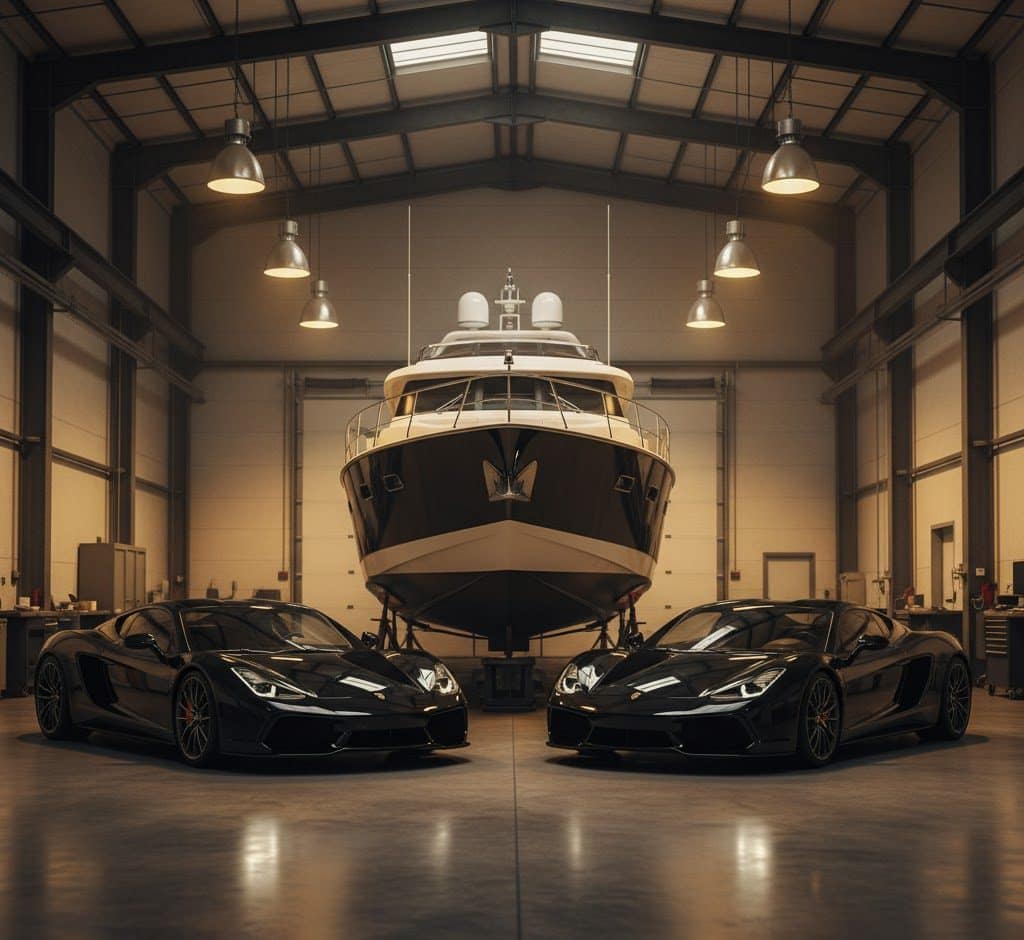
We maintain controlled environment throughout the entire curing process by minimizing exposure to dust and debris to ensure high-quality, flawlessly cured ceramic coatings, with enclosed or semi-enclosed spaces preventing imperfections from airborne particles. This level of environmental control explains why our professional application facility consistently delivers superior results compared to outdoor DIY attempts.
Nassau County, NY and Suffolk County, NY boat owners face additional environmental challenges from Long Island Sound’s marine conditions. The constant salt spray and UV reflection from water create application conditions that require specialized expertise to manage properly.
Want live answers?
Connect with a Legacy Motors & Marine expert for fast, friendly support.
Multiple layers increase durability, hydrophobic properties, and scratch resistance, with single layers offering protection but multi-layer applications creating thicker, more resilient barriers against elements. However, layering isn’t simply applying more coats—it requires precise timing and technique.
The first layer forms the foundation for all subsequent layers and must be applied evenly with complete surface coverage using microfiber applicator pads for precise control and distribution. Each subsequent layer needs to be applied slightly thinner than the previous one because each layer adds thickness, and too much coating results in finishes that are too thick and uneven.
Our professional-grade ceramic coatings typically last 2-5 years depending on environmental conditions and maintenance, with marine-grade formulations specifically designed for gelcoat and marine paint systems that prevent salt crystallization and resist UV degradation.
Each layer of ceramic coating needs to cure individually before the next one is added, with each layer requiring sufficient time to properly bond with the vessel surface. Most spray ceramics cure within a few hours but continue hardening over 24-48 hours, with the second coat needing application within that window to ensure new layers bond while the base is still tacky.
Our professional application typically involves multiple thin coats with 20-30 minutes between applications, allowing each coat to start curing before the next application so initial coats have already started hardening by completion. Ceramic coatings bond best to bare, clean surfaces, not necessarily to another cured layer, so layering too soon before curing or applying to contaminated surfaces means the second coat may just sit on top without chemical bonding.
This timing precision requires experience and attention that explains why rushed applications often fail prematurely, regardless of product quality. Our certified installers understand these critical windows and adjust application schedules based on specific environmental conditions and coating chemistry.
For marine applications in Long Island’s challenging environment, proper layer timing becomes even more critical. The saltwater exposure and temperature fluctuations can affect bonding if timing isn’t precisely managed during the multi-layer application process.
Our professional application works in small sections to ensure even coverage and prevent product from drying out, using applicator pads to apply thin layers typically one panel at a time, with crosshatch patterns—first horizontally, then vertically—ensuring complete coverage with no missed areas.
When applying coating to 2′ by 2′ areas, approximately penny-sized amounts provide proper coverage, demonstrating how little product goes a long way when applied with professional technique. The coating is applied in small sections to prevent drying before buffing, with product dripped along applicator block length and crosshatch patterns ensuring even coverage through horizontal and vertical strokes.
After short curing time (usually a few minutes depending on product), excess coating is gently buffed off using microfiber towels, removing excess product to avoid streaks or haziness, with each section inspected before moving to the next to ensure even, glossy finish. This methodical approach prevents the uneven application and high spots that compromise coating performance and appearance.
Our marine-grade ceramic coatings require specific application techniques that differ from automotive applications. The porous nature of gelcoat surfaces demands different pressure and coverage patterns to ensure proper penetration and bonding. We train our installers in marine applications to understand these nuances that make the difference between coating that lasts and coating that fails.
The curing stage is crucial—once coating is applied, it needs time to bond fully with gelcoat or paint, beginning to cure immediately but remaining vulnerable initially, requiring controlled environment away from dust, moisture, and direct sunlight. The immediate post-application phase lasting 0-24 hours is where initial bonding happens but coating remains highly vulnerable to water, dust, and pollutants, requiring indoor protection during this critical period.
Most ceramic coatings reach full hardness after 24-48 hours, during which it’s important not to expose the vessel to water, extreme temperatures, or contaminants. It’s essential to refrain from washing for at least the first week post-application to allow strong bonding with underlying surfaces, with only soft, dry microfiber cloths for dust removal if absolutely necessary, as washing too soon can lead to premature wear or damage.
Understanding this curing timeline helps explain why our professional facility with controlled environment consistently delivers longer-lasting results than outdoor applications subject to environmental interference. The molecular bonding process that creates years of protection against UV damage, environmental contaminants, and Long Island’s harsh coastal environment requires this uninterrupted curing period to reach full effectiveness. Our controlled application environment ensures your ceramic coating reaches maximum protective potential before your boat returns to the water.
Article details:
Share:
Continue learning: