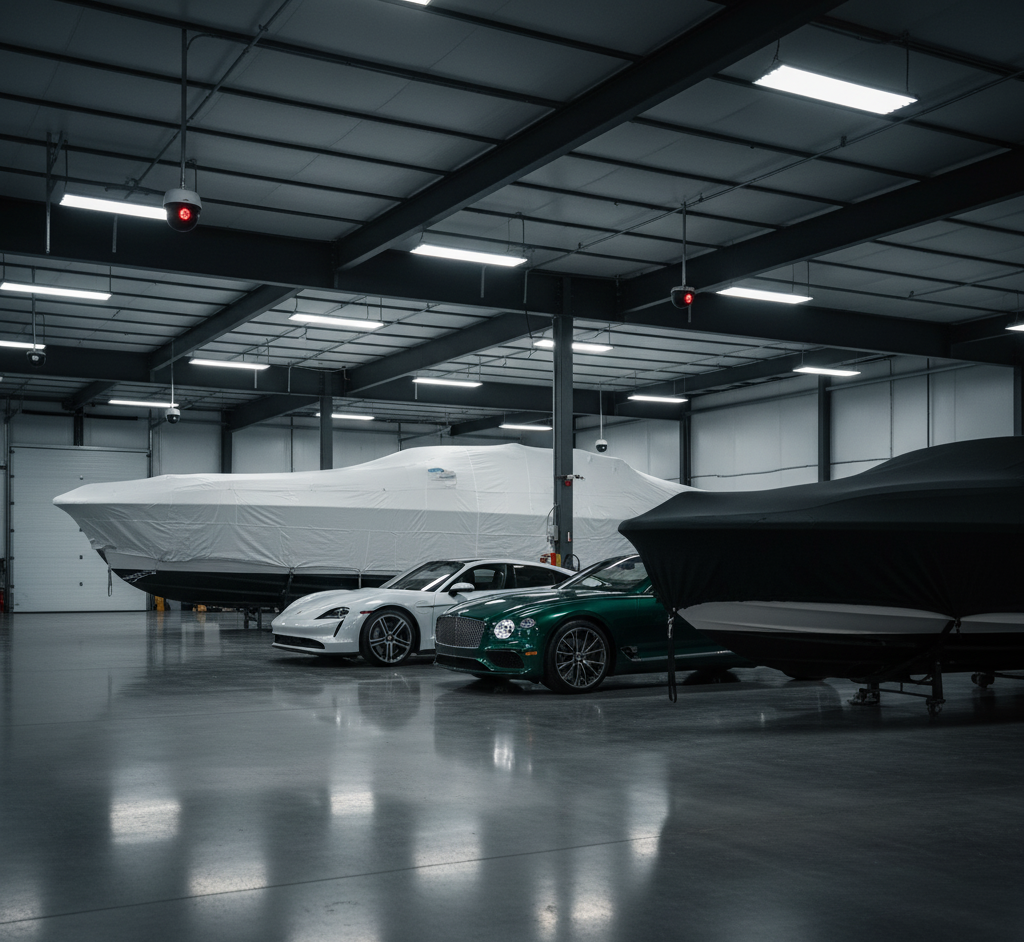
Preparing for Long Island's biggest car show? Learn the judge-ready detailing techniques that separate trophy winners from the rest of the field at TOBAY Beach.
Share:

Summary:
Walk through any car show and you’ll see beautiful vehicles. But judges aren’t looking at beauty the same way spectators do. They’re trained to spot defects.
Paint gets the most scrutiny. Not whether it’s shiny—whether it’s deep and lustrous. Judges check for orange peel texture, runs, overspray, chips. They look at panel alignment and body kit seams. They get close enough to see swirl marks under direct sunlight. The finish that looks perfect in your garage reveals every flaw on the show field.
Then there’s cleanliness. Judges inspect areas most people ignore. Inside the fenders. Door jambs. Under the hood. They’re checking if rubber trim is dressed, if chrome is actually polished, if there are any stray wires or calcium deposits from water. A car can have flawless paint and still lose points because the engine bay looks like an afterthought.

Most people think the engine bay doesn’t matter as much as the exterior. Judges think differently. A clean engine bay signals that you care about the entire vehicle, not just what’s visible from ten feet away.
Steam cleaning revolutionized how we approach engine bays. Traditional pressure washing risks forcing water into sensitive electronics and connectors. Chemical degreasers can damage components if not used carefully. Steam hits the sweet spot—controlled heat between 180 and 220 degrees that dissolves years of oil and grime without the moisture problems of pressure washing.
The process works because steam reaches temperatures that break down grease on contact. Add a citrus degreaser and proper agitation with detailing brushes, and you’re removing buildup that’s been there since the car was new. The key is knowing which components need protection and which can handle the heat.
Professional engine bay detailing goes beyond just cleaning. It’s about presentation. Rubber hoses get dressed to restore that factory-fresh black appearance. Metal components are polished. Wiring is organized. Everything that should shine does shine. Everything that should be matte black is matte black. When a judge opens your hood, they should see a bay that looks like it came from a restoration shop, not a weekend project.
This level of detail matters more at TOBAY Beach than at smaller local shows. With over 1,000 cars competing, judges are looking for reasons to separate the field. A meticulously detailed engine bay can be the difference between a trophy and a “thanks for participating.”
Your paint might look good. But “good” doesn’t win at car shows. Judges are looking for perfection—or as close as you can get.
Paint correction is the process of removing defects from your clear coat or single-stage paint. Swirl marks from improper washing. Light scratches from road debris. Oxidation from sun exposure. Holograms left by previous detailing attempts. All of these show up under the direct sunlight of an outdoor car show.
Classic cars present unique challenges. Many have single-stage paint without a separate clear coat. This means the color and protection are in the same layer. You can’t be as aggressive with correction because you’re working directly with the paint itself, not a protective clear layer on top. It requires specialized knowledge of older paint systems and the right products that won’t strip away what you’re trying to preserve.
The correction process uses measured abrasives. Heavy cutting compounds might use 3 to 5 micron particles to remove deeper defects. Finishing polishes use sub-micron particles for the final pass. Each step removes microscopic amounts of material—just enough to level the surface and eliminate the valleys where defects live. The goal is removing only what’s necessary while building the smoothest possible surface.
Heat management is critical. Excessive heat from the polishing machine can break down the abrasives and actually soften your clear coat, leading to poor results. Professional-grade variable-speed machines and proper pad selection maintain optimal temperatures throughout the process. This is why paint correction takes hours, not minutes. Rushing creates more problems than it solves.
For the TOBAY Beach show, paint correction isn’t optional if you’re competing seriously. Judges specifically evaluate whether your finish is just shiny or deep and lustrous. They check if the paint is smooth or showing orange peel. They look for any overspray, runs, or ripples. A proper multi-stage correction addresses all of these concerns before you ever pull into the show field.
Want live answers?
Connect with a Legacy Motors & Marine expert for fast, friendly support.
Preparing for a car show isn’t the same as regular detailing. Show prep is systematic. It addresses every area judges will inspect, in the order that makes the most sense for protecting your work.
Start with decontamination. Your paint has embedded contaminants—brake dust, industrial fallout, tar, tree sap—that washing alone won’t remove. A clay bar treatment pulls these out, leaving a smooth surface that’s ready for correction. Skip this step and you’re polishing contamination into your paint.
Next comes paint correction, covered earlier. Then protection. A proper ceramic coating applied over corrected paint can last five to seven years with maintenance. For a show car, it provides that deep gloss judges are looking for while protecting against the elements between now and show day.
Interior detailing matters even if judges don’t climb inside. They look through the windows. Steering wheel, dash, and seats should be spotless. No dust in crevices. No stains on fabric or leather. If you have a classic with original materials, specialized pH-balanced cleaners preserve rather than damage these surfaces.

Judges check your wheels and tires more carefully than you’d think. Wheel faces should be free of brake dust and road grime. Spokes or intricate designs need individual attention—no shortcuts with a hose and brush.
Tire sidewalls tell a story. Are they dressed with a product that provides a rich, natural finish? Or do they look dry and faded? Worse, are they coated in a glossy dressing that looks artificial and attracts dust? We know the difference between tire dressing that enhances appearance and products that just make things shiny.
Brake calipers and rotors visible through the wheels should be clean. Not painted unless they came that way from the factory, but clean. Judges notice when someone detailed the visible parts of the wheel but ignored what’s behind the spokes. It signals incomplete preparation.
Tire tread should be free of embedded stones and debris. Wheel wells should be cleaned and dressed. These are areas most people skip because they’re not immediately visible. But judges crouch down. They look. And when they find clean wheel wells on a car that also has perfect paint and a detailed engine bay, they know they’re looking at someone who took preparation seriously.
For TOBAY Beach specifically, remember you’re competing against enthusiasts who’ve been prepping for months. The show attracts serious collectors and restoration professionals. Your wheels and tires need to match the quality of everything else, or they become the weak point that costs you points.
The most common mistake is thinking “clean enough” is good enough. It’s not. Judges are trained to find flaws. If there’s a tape line from masking during paint work, they’ll see it. If there’s polish residue in body panel gaps, they’ll notice. If your chrome has water spots or your glass has streaks, points come off.
Another mistake is mismatched attention to detail. You can’t have a perfect exterior and a neglected engine bay. Or flawless paint with dirty wheel wells. Judges evaluate the entire vehicle. Inconsistency signals that you ran out of time or didn’t understand what matters.
Using the wrong products damages more than it helps. Household cleaners on exotic leather interiors. Harsh degreasers on painted engine components. Acidic wheel cleaners on delicate finishes. Classic cars especially require products formulated for their specific materials. Modern chemicals designed for clear-coated modern paint can destroy single-stage finishes from the ’60s and ’70s.
Timing matters too. Don’t detail your car three weeks before the show and expect it to still look perfect on show day. Dust settles. Pollen accumulates. A week before is ideal—close enough that the car stays clean, far enough out that you’re not rushing if something needs additional attention.
Finally, don’t ignore the small stuff. Missing trim pieces. Empty holes in the dash. Loose wires under the hood. Judges specifically look for these obvious flaws. Fix them before show day, or accept that you’re giving away points to competitors who didn’t overlook the basics.
The TOBAY Beach Spring Classic is Long Island’s premier automotive event. Over 1,000 cars. Hundreds of spectators. Judges who’ve seen it all. If you’re showing up, show up ready.
Judge-ready preparation isn’t about doing everything yourself. It’s about knowing what matters and ensuring it’s done right. Paint correction requires specific equipment and experience. Engine bay steam cleaning needs knowledge of which components can handle heat and which need protection. Ceramic coating application demands controlled conditions and proper surface prep.
Your classic car represents more than transportation. It’s an investment. A passion project. Maybe a piece of automotive history. Preparing it properly for the Spring Classic means treating it with the level of care it deserves. When judges walk past your car on April 26th, you want them to stop. To look closer. To find nothing wrong.
That’s what separates trophy winners from everyone else. Not luck. Not the most expensive paint job. Just thorough, professional preparation that addresses every detail judges will inspect. If you’re serious about competing at TOBAY Beach, we understand what it takes to make a car judge-ready because we’re collectors ourselves—people who know that the details make the difference.
Article details:
Share:
Continue learning: