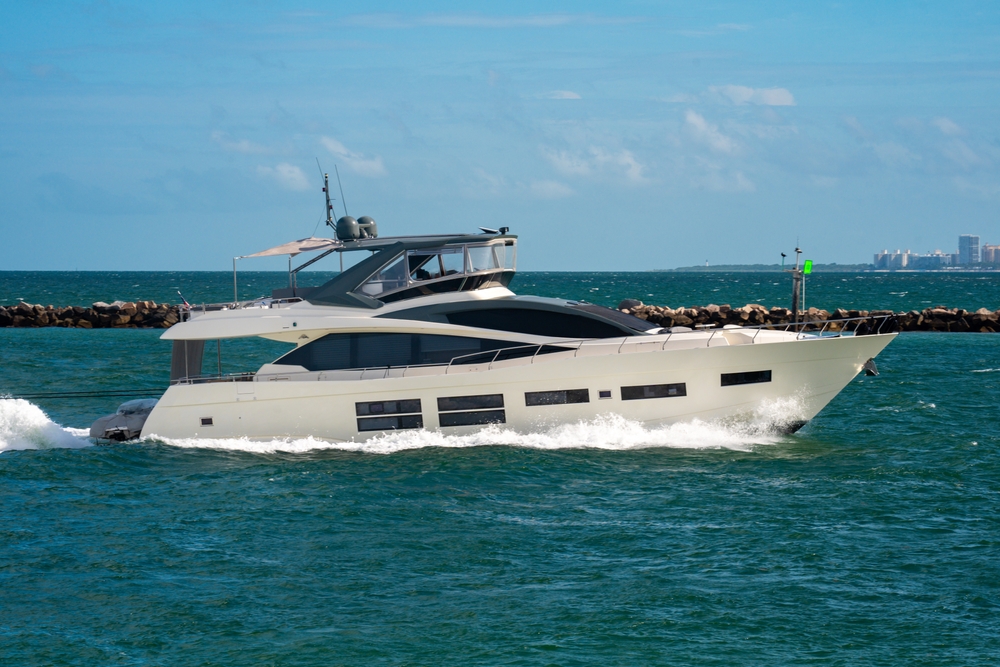
That convenient car wash is destroying your boat's ceramic coating. Here's the chemistry behind why traditional soaps strip hydrophobic protection—and what actually works.
Share:

Summary:
Most car wash soaps—the ones at automatic facilities, the ones in bright bottles at the marina, even the ones that smell great and foam like crazy—have a pH level between 9 and 12. That’s highly alkaline. They’re formulated that way on purpose, designed to cut through road grime, bug splatter, and heavy dirt as aggressively as possible.
The problem? Your ceramic coating is a molecular bond that relies on specific chemical properties to maintain its hydrophobic effect. When you introduce a high-pH cleaner to that surface, you’re not just removing dirt. You’re actively breaking down the silicon dioxide (SiO2) structure that makes water bead and contaminants slide off.
Think of it this way: you wouldn’t use industrial degreaser on your leather seats. But that’s essentially what’s happening when you wash a ceramic-coated surface with traditional soap. The chemical aggression that makes those soaps “effective” is the same aggression that degrades your coating with every wash.
Automatic car washes present a double threat to ceramic-coated boats and yachts. First, there’s the chemical issue we just covered—most facilities use industrial-strength alkaline detergents because they need something powerful enough to clean hundreds of vehicles per day without physical scrubbing.
But the bigger problem is physical contact. Brush-based automatic washes use rotating bristles that accumulate dirt and debris from every vehicle that goes through. When those brushes hit your ceramic coating, they’re dragging microscopic particles across the surface at high speed. Even if the coating doesn’t scratch immediately, repeated exposure creates micro-marring that dulls the finish and compromises the protective layer.
Touchless washes seem like the solution, right? No brushes means no scratching. Except touchless facilities compensate for the lack of physical contact by using even stronger chemicals—often with pH levels above 11. They need that chemical aggression to lift dirt without touching the surface.
Here’s what happens over time: the hydrophobic properties fade first. Water stops beading the way it did when the coating was fresh. Then dirt starts adhering more easily because the slick surface has been chemically roughened. Eventually, you’re left with a coating that’s technically still there but performing at maybe 30% of its original capability.
The convenience of a five-minute automatic wash costs you months or even years of coating life. For a marine ceramic coating that’s supposed to last 18-24 months, regular automatic washes can cut that lifespan in half or worse. You end up needing reapplication far sooner than you should, which means you’re paying twice for the same protection.
And if you’re keeping your yacht in Nassau County, NY or Suffolk County, NY, you’re dealing with Long Island Sound’s saltwater environment on top of everything else. Salt accelerates every form of degradation. The combination of harsh chemicals, physical abrasion, and coastal exposure creates the perfect storm for coating failure.
pH-neutral soaps sit at or very close to pH 7—the same neutral level as pure water. This isn’t just a gentler option. It’s the only option that cleans without chemically interfering with your ceramic coating’s molecular structure.
When you use a pH-neutral soap on a ceramic-coated surface, the cleaning action comes from surfactants that lift and encapsulate dirt at the surface level. They don’t attack the coating itself. They don’t strip the hydrophobic layer. They simply remove contaminants and rinse away clean, leaving the protective properties intact.
This matters more for marine applications than automotive ones. Boats face constant water exposure, salt spray, and UV bombardment. Your coating is already working harder than a coating on a car that sits in a garage most of the week. Adding chemical stress from improper cleaning products is like asking someone to run a marathon while you’re actively trying to trip them.
The other critical factor is what’s not in pH-neutral boat soaps: wax additives. Traditional car wash soaps often include wax or “gloss enhancers” because they’re designed for unprotected paint. Those additives create a temporary shine but they also clog the pores of a ceramic coating. Once the coating surface gets clogged with wax residue, water can’t bead properly and dirt starts sticking. You end up fighting against your own maintenance routine.
pH-neutral formulations designed for ceramic coatings avoid this entirely. They’re engineered to clean without leaving any residue—no wax, no silicones, no polymers that interfere with the coating’s performance. Some even include SiO2 additives that help rejuvenate the coating’s strength with every wash, essentially topping off the protection instead of degrading it.
The difference becomes obvious within a few washes. Boats maintained with pH-neutral soap continue beading water aggressively. Dirt rinses off with minimal effort. The gloss stays deep and clear. Compare that to a boat washed with traditional soap, where the beading gets weaker every month and you’re scrubbing harder to remove the same contaminants.
Want live answers?
Connect with a Legacy Motors & Marine expert for fast, friendly support.
Maintaining a ceramic coating isn’t complicated, but it is specific. You can’t treat it like traditional wax or sealant. The coating is a semi-permanent layer that needs consistent care with the right products and techniques.
Start with wash frequency. For boats in active use on Long Island Sound, you’re looking at a rinse after every trip and a full hand wash every two weeks. That sounds like a lot until you realize how much easier ceramic-coated surfaces are to clean. The whole process takes a fraction of the time compared to scrubbing unprotected gelcoat.
The technique matters as much as the products. Use the two-bucket method—one bucket with pH-neutral soap solution, one with clean rinse water. This prevents you from reintroducing dirt to the wash mitt and scratching the surface. Work from top to bottom in sections, rinsing each area before moving to the next. Dry with a microfiber towel or use filtered water to prevent mineral deposits.

The market is full of “ceramic-safe” products that aren’t actually formulated for ceramic coatings. Here’s what to look for and what to avoid when shopping for boat detailing supplies in Long Island, NY.
pH-neutral boat soap is non-negotiable. Check the label—it should explicitly state pH-balanced or pH-neutral, ideally with the actual pH level listed (7.0 or very close). Avoid anything that mentions “wax,” “polish,” “shine enhancers,” or “all-in-one” formulas. Those additives interfere with coating performance even if the soap claims to be ceramic-safe.
Some of the better formulations include SiO2 additives that help maintain the coating’s hydrophobic properties. These aren’t required, but they can extend coating life by essentially providing a maintenance layer with every wash. Think of it like adding a booster shot rather than just cleaning.
For tools, soft microfiber wash mitts are the standard. Replace them regularly—once they start looking worn or accumulating embedded dirt, they become scratch hazards. Microfiber drying towels should be plush and absorbent, at least 1200 GSM weight. Cheap towels leave streaks and don’t absorb efficiently.
Avoid brush attachments, even soft ones. The mechanical action combined with any trapped dirt particles creates more risk than benefit. Avoid automatic car washes entirely—yes, even the touchless ones. The chemicals they use are too aggressive for regular exposure.
For spot cleaning between washes, waterless wash solutions designed for ceramic coatings work well for light dust and fingerprints. Spray, wipe with a clean microfiber towel, and you’re done. This is perfect for maintaining that showroom look between full hand washes without introducing unnecessary water or chemicals.
Every 3-6 months, consider using a ceramic coating booster spray. These products contain diluted SiO2 that bonds to the existing coating, refreshing the hydrophobic effect and adding a layer of sacrificial protection. It’s not a substitute for proper washing, but it helps extend the coating’s peak performance period.
What doesn’t work: traditional waxes, sealants, or spray detailers not specifically formulated for ceramic coatings. These products sit on top of the coating and interfere with its properties. They might add temporary gloss, but they’re reducing the coating’s ability to repel water and contaminants.
If you’re keeping a boat or yacht in Nassau County, NY or Suffolk County, NY, you’re dealing with one of the more challenging environments for marine coatings in the country. Long Island Sound’s saltwater, combined with temperature extremes and intense summer UV exposure, accelerates every form of gelcoat and paint degradation.
Salt doesn’t just sit on the surface—it crystallizes and works its way into any microscopic opening in your gelcoat. Once salt penetrates, it draws moisture and creates the perfect conditions for oxidation. That chalky, faded appearance you see on neglected boats? That’s oxidation eating away at the gelcoat from the inside out.
A properly maintained ceramic coating prevents this by creating a molecular barrier that salt can’t penetrate. But only if you’re not stripping that barrier away with improper washing. Every time you use a high-pH soap, you’re opening microscopic gaps in the protection. In a freshwater environment, you might get away with that for a while. In saltwater, the damage compounds rapidly.
UV exposure is the other major factor. Long Island summers mean intense, prolonged sun exposure that breaks down unprotected surfaces at the molecular level. Ceramic coatings block 99.9% of UV rays when properly maintained, but that protection degrades if the coating itself is being chemically attacked by harsh soaps.
Temperature swings matter too. Your boat might see 90-degree days in July and below-freezing nights in winter if it’s stored outdoors. These thermal cycles stress every surface. A ceramic coating provides a stable protective layer that handles temperature changes without cracking or delaminating—but only if the coating’s chemical structure hasn’t been compromised by improper maintenance.
The bottom line: Long Island’s marine environment demands better protection and more careful yacht detailing maintenance than most other locations. Using traditional car wash methods here isn’t just inefficient—it’s actively working against your investment in protection. The harsher the environment, the more critical it becomes to use maintenance methods that preserve rather than degrade your coating.
Professional marine ceramic coatings are specifically formulated for constant saltwater exposure, UV bombardment, and thermal cycling. They’re engineered to handle everything Long Island Sound throws at them. But that engineering only works if you’re not undermining it with chemicals designed to strip protective layers.
The expensive ceramic coating on your boat or yacht isn’t maintenance-free—but it should make maintenance easier, not more complicated. The key is understanding that convenience and proper care aren’t always the same thing.
Traditional car washes are convenient. They’re fast, they’re everywhere, and they get your boat visibly clean. But they’re also chemically stripping the protection you paid thousands to apply. Every wash with high-pH soap or every trip through an automatic facility degrades your coating’s hydrophobic properties and shortens its effective lifespan.
pH-neutral hand wash methods take more intention, but they preserve your investment. You get the full 18-24 months of protection your coating was designed to provide. You maintain the water-beading, dirt-repelling performance that makes ceramic coating worth the cost. And you avoid the expensive reapplication cycle that comes from improper care.
If you’re in Nassau County, NY or Suffolk County, NY and you’re serious about protecting your marine or automotive investment, we understand the specific challenges of Long Island’s coastal environment and the proper ceramic coating maintenance protocols that actually preserve protection rather than destroy it.
Article details:
Share:
Continue learning: