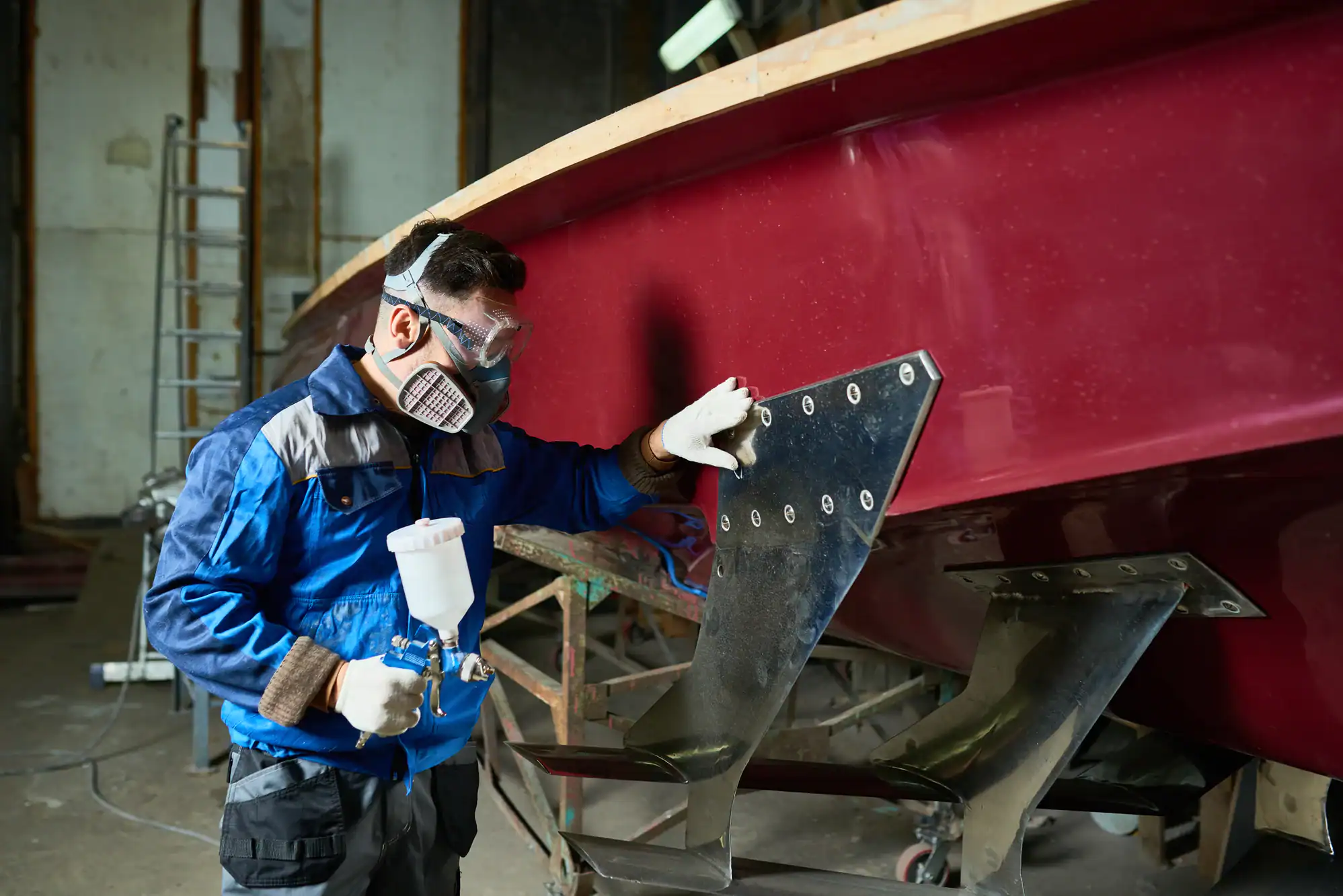
A practical guide to the best North Shore marinas on Long Island, with local insight on what to look for, what to ask, and what comes next.
Share:

Summary:
If you’ve spent any time searching for marina options on Long Island, you already know the drill — generic lists that cover the whole island, no real local context, and nothing that actually helps you make a decision. The North Shore is its own world. The harbors here are carved by glacial geology, the weather off Long Island Sound is unpredictable, and the boating culture skews toward yacht ownership rather than weekend fishing trips. What works on the South Shore doesn’t always translate here. This guide is built specifically for North Shore boaters — covering the marinas that matter, what to look for, and what most guides forget to mention entirely.
The North Shore of Long Island runs from Great Neck east through Port Jefferson, Setauket, Stony Brook, Northport, Cold Spring Harbor, Huntington, and Oyster Bay. Four Long Island towns rank among New York State’s Top 10 Most Popular Boating Spots — and most of them sit along this corridor. That’s not a coincidence.
The protected bays and harbors here offer calmer conditions than the open Atlantic, and proximity to Long Island Sound means access to some of the best cruising in the Northeast. But the Sound also brings real weather. Nor’easters can run three days straight with heavy rain, steep seas, and sustained winds. Summer thunderstorms roll in fast.
Salt air is constant, and the humidity between June and September creates conditions that are genuinely hard on vessels — gel coat, teak, upholstery, and electronics all take a beating if they’re not maintained properly. That environmental reality shapes everything about how North Shore boaters approach marina selection, storage, and vessel care.

Port Jefferson Harbor is one of the most significant natural harbors on Long Island’s North Shore — and one of only two Long Island ports with direct ferry access to Connecticut. That gives it a different character than most North Shore stops. It draws transient boaters from across the Sound, not just local day-trippers, which means the facilities here tend to be better equipped and more experienced with a wider range of vessels.
Danfords Hotel, Marina & Spa is the most prominent option in the harbor — often described as the only resort marina on the North Shore. The season runs April 15 through November 1, and the marina offers full amenities with a hospitality experience that matches the surrounding hotel and spa. Worth noting: Danfords sustained significant damage during the historic 2026 winter storms and was partially closed for repairs during the 2026 season. If you’re planning around Danfords, it’s worth confirming current availability directly.
Shore Road Marina in Setauket Harbor is another strong option in this immediate area. It’s a privately owned, full-service marina with up to 125 moorings and boat slips, and it offers direct access to both Port Jefferson Harbor and Long Island Sound. For boaters who want proximity to Port Jefferson without the resort pricing, Shore Road is worth a serious look.
Port Jefferson Launch & Moorings has been operating in the harbor since 1996. They run a mooring field with moorings ranging from 50 to 1,000 pounds, along with a water taxi service and transient facilities including showers and laundry. It’s a practical, well-established option for boaters who prefer a mooring to a fixed slip.
The Boat Place (operating as Harborside Marine) rounds out the Port Jefferson picture. They’ve been a fixture for repair and storage, running a 25-ton Marine Travelift and a dry-land marina for trailerable powerboats up to 26 feet. As of April 2025, they added wet slip dockage at a newly renovated private marina — which meaningfully expands options in the immediate Port Jefferson area.
One thing to know going in: slip availability in Port Jefferson is competitive. This is not a market where you show up in April and find open dockage waiting. Waiting lists are common across the North Shore, and the better facilities fill up fast. Planning ahead — ideally in late winter — gives you the most options.
Port Jefferson gets most of the attention, but the North Shore marina corridor extends well beyond it in both directions. Each harbor has its own character, and the right fit depends heavily on where you’re coming from, what you’re running, and what amenities actually matter to your season.
Glen Cove Marina sits on the western end of the North Shore and is one of the larger facilities on the island — 250 slips accommodating vessels up to 120 feet. It offers a fuel dock, ship store, and repair services, making it a legitimate full-service option for larger powerboats and sailing yachts. For boaters based in Nassau County or the western Sound, Glen Cove is often the most practical home base.
Huntington Yacht Club operates 100 slips for vessels of various sizes and sits in one of the most active boating communities on the North Shore. Huntington Harbor is well-protected, the town itself is walkable from the docks, and the club hosts organized regattas on the Sound throughout the season. It’s a particularly good fit for sailors who want community alongside their slip.
Strong’s Water Club in Mattituck runs 135 slips for vessels up to 75 feet, with a heated pool, restaurant, and live music. They’ve won the Elite Fleet Award from Marinas.com in both 2024 and 2025 — which reflects consistent operational quality, not just amenities. For boaters heading further east toward the North Fork, Strong’s is a well-regarded anchor point.
Mitchell Park Marina in Greenport accommodates vessels up to 150 feet across 60 slips, with immediate access to Greenport’s downtown shops and restaurants. It’s a popular transient stop for cruisers working their way through the Sound, and the depth of the harbor makes it accessible to larger vessels that some North Shore marinas can’t handle.
When comparing any of these options, the factors that tend to matter most — beyond slip size and price — are security, staff quality, and how the facility handles your vessel during haul-out and launch. The size and condition of the boats already in the yard tells you a lot about the kind of operation you’re dealing with.
Want live answers?
Connect with a Legacy Motors & Marine expert for fast, friendly support.
Proximity is usually how the search starts, but it’s rarely the only thing that matters once you get into it. The marinas closest to home aren’t always the best fit for your vessel, your schedule, or your expectations — and on the North Shore, where waiting lists are real and options are finite, it pays to know what you’re evaluating before you make calls.
The practical checklist most experienced North Shore boaters use covers security first (gated entry, lighting, surveillance), then vessel handling capability (Travelift tonnage, floating vs. fixed docks, staff experience with your type of boat), then amenities, and finally price. Culture matters too — the feel of the facility, how the staff communicates, whether your boat will be treated carefully or just moved around like inventory.
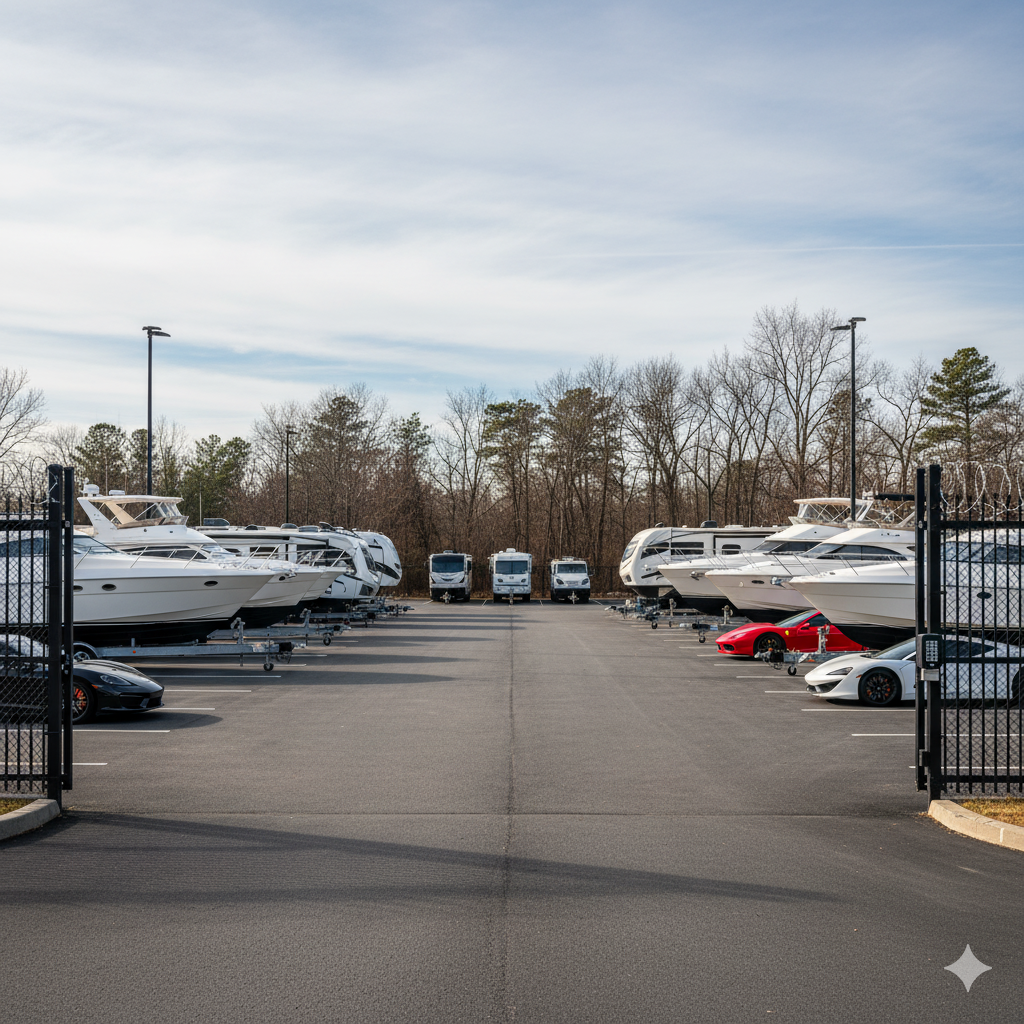
A few questions that tend to surface things most marina websites won’t tell you upfront. First: what’s the waiting list situation? On Long Island, many marinas have multi-year lists for seasonal slips. If you need dockage this season, you need to ask directly — and you may need to consider dry-land storage or a mooring field as a bridge while you wait.
Second: what’s the policy on owner work? Some marinas will not allow you to perform your own maintenance on-site due to insurance and environmental regulations. If you like to do your own winterization, bottom paint, or mechanical work, that’s a dealbreaker worth surfacing before you sign anything.
Third: how does the marina handle haul-out and launch? For larger or more valuable vessels, this question matters a lot. A 25-ton Travelift handles a different range of boats than a smaller unit, and the experience of the operator matters as much as the equipment. Ask specifically about their process, who operates the equipment, and whether they document the vessel’s condition at intake.
Fourth: what happens during a storm? North Shore marinas vary considerably in how they handle surge events, nor’easters, and the kind of winter weather that caused significant damage to Danfords in 2026. Ask about their storm protocols, how vessels are secured, and what their track record looks like.
Finally — and this one gets overlooked — ask about the off-season. The boating season on Long Island runs roughly April through November. That leaves five or six months where your vessel is sitting somewhere, and what happens during that window has a direct impact on what condition it’s in when the season opens. A marina that offers outdoor winter storage is not the same as a facility with climate-controlled indoor storage, battery tender systems, and optional maintenance checks. Those details matter more than most boaters realize until they’ve had a bad storage experience.
Finding the right marina is step one. What comes after — detailing, electronics, storage, and the general upkeep that determines your vessel’s condition and resale value — is where most boat owners on the North Shore have fewer good options than they’d like.
Long Island’s salt air, humidity, and temperature swings are genuinely hard on vessels. Gel coat oxidizes. Teak dries out and cracks without proper conditioning. Interior moisture builds up during the off-season and creates mold if it’s not addressed. These aren’t hypothetical problems — they’re what happens to boats that sit in standard storage or get cleaned with automotive products that weren’t designed for marine surfaces.
At Legacy Motors and Marine, we work specifically with boat and yacht owners on Long Island who want their vessels maintained at the same level they were purchased. Our facility at 1201 NY-112 in Port Jefferson Station puts us right in the middle of the North Shore boating corridor — close to Port Jefferson Harbor, Setauket, and the marinas that run along this stretch of the Sound. We use marine-specific detailing products on every job — not generic automotive products adapted for boats — because the surfaces are different and the environment demands it.
For storage, our climate-controlled indoor facility controls both temperature and humidity, which is the combination that actually prevents the deterioration most boat owners discover in spring. Battery tender systems are included, so when the season opens, your vessel is ready to go — not sitting with a dead battery and a checklist of issues that accumulated over the winter. We photograph and document condition at intake, and optional maintenance checks during storage mean problems get caught early rather than discovered at launch.
We also handle marine electronics installation — GPS, fishfinders, radar, multi-zone audio — with concealed wiring and custom integration that complements the vessel’s aesthetics rather than cluttering the helm. All installation work is covered by a comprehensive workmanship warranty.
We own and maintain high-value vehicles ourselves, which means we understand what it means to leave something you care about in someone else’s hands. That’s the reason we built the facility the way we did and why the clients who come to us tend to stay.
The North Shore has genuinely excellent marinas — from the harbor at Port Jefferson to the full-service operations in Glen Cove, Huntington, and beyond. The key is knowing what you’re looking for before you start making calls: slip availability, vessel handling, storm protocols, and what the off-season looks like for your boat.
The marina gets you on the water. What you do the other five months of the year — and how your vessel is maintained during the season — is what determines its condition long-term. Those two things work better when they’re handled with the same level of care.
If you’re a North Shore boat owner looking for detailing, storage, or marine electronics installation, we’d like to talk. Legacy Motors and Marine is based in Port Jefferson Station and serves Nassau and Suffolk County — reach out and we’ll walk you through what we can do for your vessel.
Article details:
Share:
Continue learning: