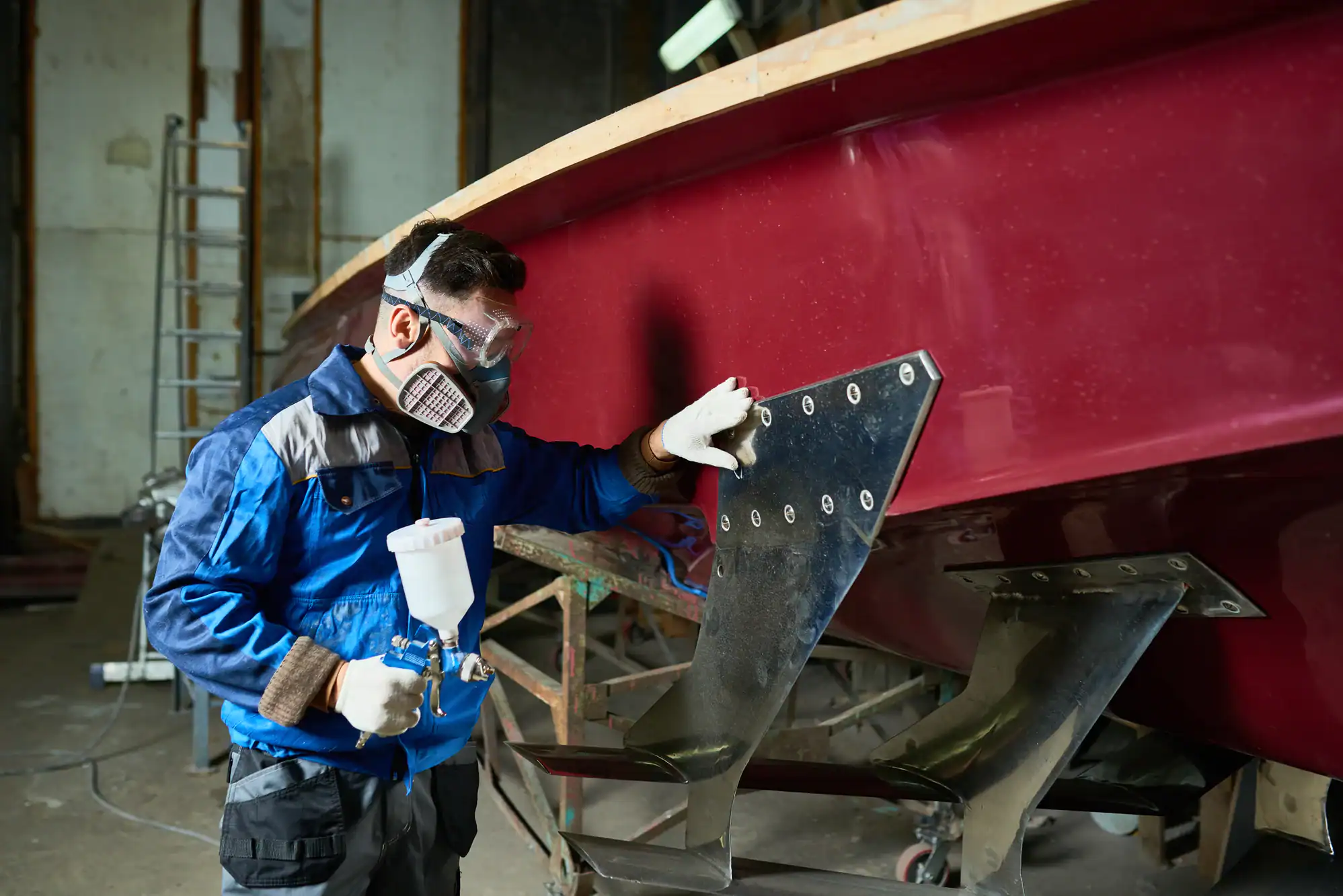
Long Island summers are rough on car paint and interiors. Here's what's actually happening — and what to do before the damage becomes permanent.
Share:

Summary:
You’ve probably noticed it. The hood looks a little duller than it did in May. There’s something going on with the paint in direct sunlight — a faint haze, maybe some swirling. The dashboard near the windshield is starting to fade. The leather doesn’t feel quite right.
This isn’t random. It’s what happens when a Long Island summer gets to work on a car that isn’t protected. Salt air off the Atlantic, UV indexes that regularly hit 8 or higher from June through August, hours of beach parking, and road tar baking onto lower panels — it all adds up fast. Here’s what’s actually happening, and what you can do about it.
A car wash moves dirt around. Professional auto detailing removes it — along with the embedded contaminants, oxidation, and microscopic damage that a car wash can’t touch. The difference matters a lot more in summer, when Long Island’s specific conditions are actively working against your car’s finish.
Professional detailing starts with a proper hand wash to avoid the swirl marks that automated brushes leave behind. From there, a clay bar decontamination pulls out the particles that have bonded to your clear coat — road tar, industrial fallout, salt deposits, tree sap residue — things that have no business living in your paint but do after a Long Island summer.
Paint correction follows if needed, using compounds and polishes to level out the surface and restore clarity. Then comes protection: a sealant, a coating, or both, depending on what the car needs. The whole process takes time. Depending on the vehicle’s size and current condition, a thorough detail runs anywhere from three to eight hours. That’s not inefficiency — that’s what it actually takes to do it right.

Long Island is not an inland market. You’re bordered by the Atlantic Ocean to the south and Long Island Sound to the north, and that geography means airborne salt is a constant presence — not just when you’re parked at Jones Beach or Robert Moses, but on any given summer day when the windows are down and you’re driving through Port Jefferson, Sayville, or Bay Shore.
Salt is hygroscopic, which means it pulls moisture from the air and holds it against whatever surface it lands on. On your car’s paint, that means an accelerated oxidation process — the clear coat breaks down faster, pigments fade sooner, and the surface starts to take on that chalky, dull appearance that’s hard to reverse once it’s set in.
UV exposure alone can reduce a car’s gloss levels by up to 50% within the first two years. Add salt air to that equation and the timeline shortens considerably.
Beach parking compounds the problem. When you’re parked at Coopers Beach in Southampton or waiting at the Fire Island ferry lot in Bay Shore, your car is sitting in direct sun for hours — sometimes with sand abrasion on top of the salt and UV exposure. Interior cabin temperatures in parked cars on hot Long Island summer days can exceed 140°F.
That heat accelerates everything: leather dries out and cracks, dashboards fade near the windshield, plastic trim off-gasses, and adhesive on interior pieces starts to fail. The other thing beach trips do is deposit road tar on your lower panels. Summer heat softens asphalt, and that softened tar adheres to paint and wheel wells. It’s not something a standard car wash removes — it requires specific chemical treatment as part of a proper decontamination process.
If it sits long enough, it embeds into the clear coat and the removal process becomes more aggressive and more expensive. The Hamptons run — that weekly or weekend drive out on Route 27 through Westhampton, Southampton, and East Hampton — adds highway debris and bug splatter on top of everything else. By mid-July, if you’ve been making that drive regularly since Memorial Day, your front bumper and hood have taken a significant amount of impact damage that needs attention before it etches permanently.
This is the question we hear most often, and the honest answer is: yes, but context matters. Ceramic coating is not a magic shield and it won’t make your car scratch-proof. What it does is create a molecular bond with your paint that provides meaningful, long-lasting protection against the specific threats Long Island summers throw at a car.
Traditional wax lasts four to six weeks. A paint sealant gets you three to six months. A professional-grade ceramic coating lasts two to five years or longer with proper maintenance. For a car that’s regularly exposed to salt air, UV radiation, road tar, and beach conditions, that difference in protection duration is significant — both for the car’s appearance and for what it costs you over time.
Ceramic coatings reflect up to 90% of harmful UV rays. That’s the primary driver of paint fading and clear coat degradation, and blocking that much UV has a measurable impact on how your paint looks two or three years from now. The coating’s reflective properties also help reduce heat absorption, which translates to slightly lower interior temperatures — a real benefit when your car is parked at a beach lot in August.
There’s also a documentation angle worth knowing about. Our ceramic coating services appear on a vehicle’s official Carfax appearance protection service report. For Long Island collectors and luxury car owners who plan to sell eventually, that’s a verifiable record that the car received professional-grade protection — and that kind of documented care history has a real effect on resale value.
Consumer ceramic coating kits from the auto parts store are not the same product. Professional-grade formulations bond at a molecular level that consumer products can’t replicate, and improper application can actually trap contaminants under the coating. If you’re going to do it, it’s worth doing with someone who knows what they’re working with.
We use graphene-enhanced ceramic formulations for automotive applications — a current-generation technology that offers superior durability and heat resistance compared to standard SiO2 coatings. It’s not a detail we mention to sound technical. It’s the reason the protection actually holds up through a Long Island summer and beyond.
Want live answers?
Connect with a Legacy Motors & Marine expert for fast, friendly support.
Searching for car detailing near you on Long Island will return a long list of options — mobile operators, chain shops, marine specialists, and everything in between. The variation in quality is significant, and for a luxury or exotic vehicle, the wrong choice can do more damage than no detail at all.
The main thing to look for is process transparency. We can explain what we’re doing, why we’re doing it, and what products we’re using on your specific vehicle. That’s a different approach from a detailer who quotes you a price and shows up with a bucket.
Ask whether your detailer does paint decontamination before polishing. Ask how they avoid introducing swirl marks. Ask whether their ceramic coating is professional-grade or consumer-grade. The answers will tell you a lot.
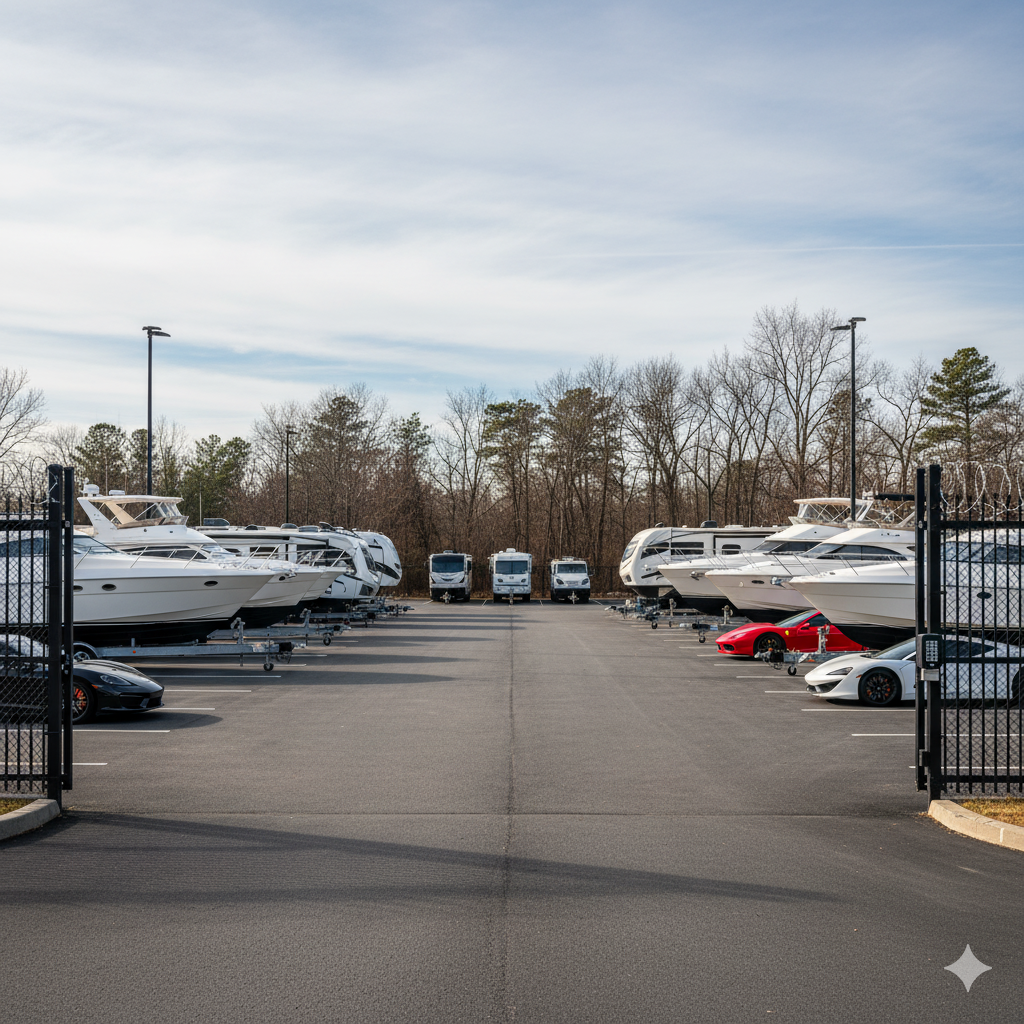
European exotic cars — Porsche, Ferrari, Lamborghini, Maserati — often have softer paint than domestic vehicles. That means they respond differently to compounds and polishes, and a technique that works fine on a domestic sedan can leave swirl marks on a Porsche 911 or a Ferrari Roma. It’s not about being precious. It’s about understanding that different vehicles have different requirements and that a detailer who treats everything the same is going to produce inconsistent results.
The same logic applies to interior materials. High-end leather requires different conditioning products than standard upholstery. Alcantara needs to be cleaned differently than leather. Carbon fiber trim panels can be damaged by the wrong chemicals.
A detailer who works with exotic and luxury vehicles regularly knows this — one who doesn’t may not. What you’re really looking for is someone who has firsthand familiarity with the vehicles they’re working on. That’s different from someone who has taken a training course.
We’re collectors ourselves, which means we understand these vehicles from the ownership side — what the paint is like, what the interiors are made of, and what they actually need to stay in the condition they deserve. Documentation matters too. A digital service record that logs what was done, what products were used, and when creates a verifiable history of care for the vehicle.
For collectors and investors, that kind of pedigree has real value — both for peace of mind and for resale. A car with documented specialist care tells a different story to a buyer than one without it. For Long Island owners who can’t easily transport a low-clearance exotic to Port Jefferson Station, or simply don’t want to deal with the logistics, we offer concierge pickup and delivery. It removes the main friction point for a lot of clients and means the car gets the attention it needs without the hassle of coordinating transport.
The general guidance you’ll see — detail your car twice a year — was written for average conditions. Long Island in summer is not average conditions. Salt air, UV intensity, beach exposure, and summer heat create a compounding damage profile that accelerates the deterioration of both paint and interior surfaces faster than the national averages suggest.
A practical approach for Long Island drivers looks something like this: a thorough detail in late spring to address whatever winter road salt and grime left behind, followed by a mid-summer check-in — which is right about where we are now — to address the accumulated salt deposits, UV exposure, tar, and interior heat damage from Memorial Day through July. Then a fall prep detail before storage season or before the weather shifts.
If the vehicle has ceramic coating, the maintenance intervals are longer and less intensive, since the coating handles much of the day-to-day environmental load. For Nassau County and western Suffolk residents who are making regular trips to Jones Beach, Robert Moses, or the Fire Island ferry lots at Bay Shore or Sayville, the summer interval matters more than it does for someone who parks in a garage and rarely drives near the water. The exposure is just higher, and the damage accumulates faster.
If your car spent any meaningful time parked at the beach this summer, or if you’ve been making the drive out to the East End on a regular basis, mid-July is a reasonable point to assess the condition of the paint and interior before the second half of the season does more of the same. Paint correction becomes harder and more expensive the longer oxidation and etching are allowed to progress. Catching it now is easier than catching it in October.
Not every scratch or imperfection can be completely removed. Some damage goes too deep into the clear coat to correct without repainting. A professional assessment will tell you what’s reversible and what isn’t — and that’s information worth having before you assume the worst or, alternatively, before you let something correctable become permanent.
The damage Long Island summers do to car paint and interiors isn’t dramatic — it’s gradual. That’s what makes it easy to ignore until it’s harder to fix. By the time the clear coat looks visibly dull or the leather starts cracking, the process has been underway for weeks.
The good news is that most of what accumulates through a Long Island summer is correctable with professional detailing, and the right protective coating can stop the next round of damage before it starts. The combination of paint correction, ceramic coating, and proper interior treatment is what keeps a car looking the way it should — not just this summer, but in the years that follow.
If you’re at the point where you’re noticing something and wondering whether it’s worth addressing, it almost certainly is. Reach out to Legacy Motors and Marine to talk through what your car needs and what the process actually looks like.
Article details:
Share:
Continue learning: