
Mobile detailing comes to you — but what does that actually look like? Here's what to expect from start to finish, and what separates a real pro from a weekend side hustle.
Share:
Summary:
You’ve been meaning to get your car — or your boat — properly detailed for a while now. The problem isn’t motivation. It’s time. Between commutes, work, and everything else, dropping a vehicle off somewhere and arranging a ride back isn’t exactly easy to fit in. Mobile detailing solves that problem. But if you’ve never used a mobile detailer before, it’s reasonable to wonder what you’re actually getting — who shows up, what they bring, how long it takes, and whether the results hold up. Here’s a clear, honest look at how the whole thing works.
The short version: a professional mobile detailer arrives at your home, your office, or wherever your vehicle is parked, and performs a full detail on-site using their own equipment. No drop-off. No waiting room. No coordinating a ride.
The longer version is that a proper mobile detail is a 2–4 hour process, not a 20-minute automated wash. It involves multiple stages — exterior decontamination, paint correction if needed, a protection layer, and a thorough interior cleaning that covers everything from carpets and upholstery to leather, glass, and trim. The work is methodical and hands-on, and the results reflect that.
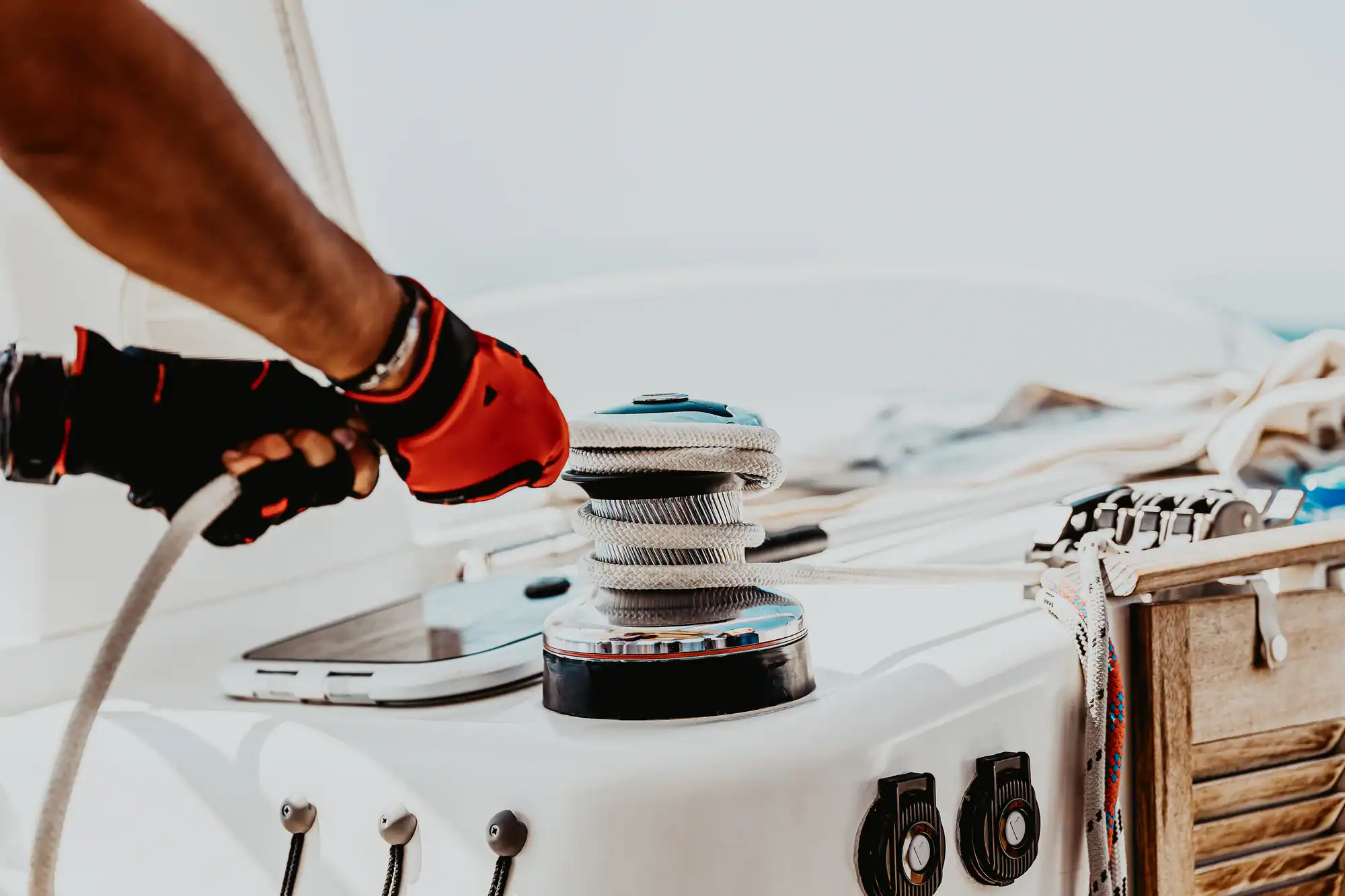
This is one of the most common questions people have before booking for the first time, and it’s worth answering clearly: a properly equipped mobile detailer brings everything they need. That means their own water supply, their own generator, and a full kit of professional-grade tools — machine polishers, wet/dry extractors, steam cleaners, and the right chemistry for each surface type. You don’t need to pull out a garden hose or run an extension cord from your garage.
If a detailer asks to use your water or electricity, that’s a sign they’re not set up like a professional operation. It’s not a minor inconvenience — it’s a signal about how they approach the work overall. Legitimate mobile detailing rigs are self-contained by design, because relying on a customer’s utilities is unpredictable and unprofessional.
This matters more than it might seem. A detailer who cuts corners on their setup is probably cutting corners elsewhere too — in the products they use, the time they spend on each stage, and the care they take around your paint. For a daily driver, that might be acceptable. For an exotic car, a classic, or a luxury yacht, it’s not a risk worth taking.
The equipment question is also where mobile detailing separates itself from the “guy with a bucket” category. Professional-grade machine polishers correct paint without introducing new swirl marks. Wet extractors pull moisture out of upholstery instead of just pushing it around. Steam cleaners sanitize interior surfaces without harsh chemicals. These aren’t luxury extras — they’re the tools that make the difference between a detail that looks good for a week and one that holds up for months.
Before any work begins, a professional detailer does a walk-around with you to document the vehicle’s current condition. Any existing scratches, chips, or scuffs get noted. This protects you and the detailer, and it’s a baseline sign of a professional operation. If someone skips this step and goes straight to work, pay attention to that.
The exterior process typically starts with a thorough pre-rinse and hand wash — not a pressure washer blasted from three feet away, but a careful, methodical wash using proper wash mitts and pH-balanced soap. After that comes clay bar treatment, which removes bonded contaminants like road tar, industrial fallout, and embedded grime that a regular wash can’t touch.
If paint correction is part of the service, that happens next — using a machine polisher to reduce or eliminate swirl marks, light scratches, and oxidation. Then a protection layer goes on: wax, a paint sealant, or a ceramic coating depending on what you’ve chosen.
The interior follows a similar logic. Everything gets vacuumed first — seats, carpets, floor mats, crevices. Then surfaces get cleaned according to what they’re made of. Leather gets cleaned and conditioned with products that won’t dry it out or leave a greasy film. Fabric upholstery gets shampooed and extracted. Plastic and vinyl trim gets cleaned with something that protects without leaving a slick, artificial shine. Windows get cleaned last, from both sides, so you don’t drive away with interior haze.
After everything is done, there’s another walk-around — this time so you can inspect the work. A professional detailer expects this and welcomes it. Any concerns get addressed before they pack up and leave. That final review is part of the service, not an imposition.
Want live answers?
Connect with a Legacy Motors & Marine expert for fast, friendly support.
Long Island isn’t an easy place to own a vehicle. Whether you’re on the North Shore near the Sound or closer to the Atlantic on the South Shore, salt air is a constant. It doesn’t take long — weeks, not months — for salt exposure to start working on unprotected paint, gel coat, rubber seals, and metal trim.
Add winter road salt from October through April, summer humidity that accelerates mold growth in boat interiors, and UV intensity that fades paint and oxidizes gel coat, and you have an environment that demands more from your detailing routine than most inland markets do. Getting detailed twice a year might be fine in other parts of the country. On Long Island, it’s not enough.
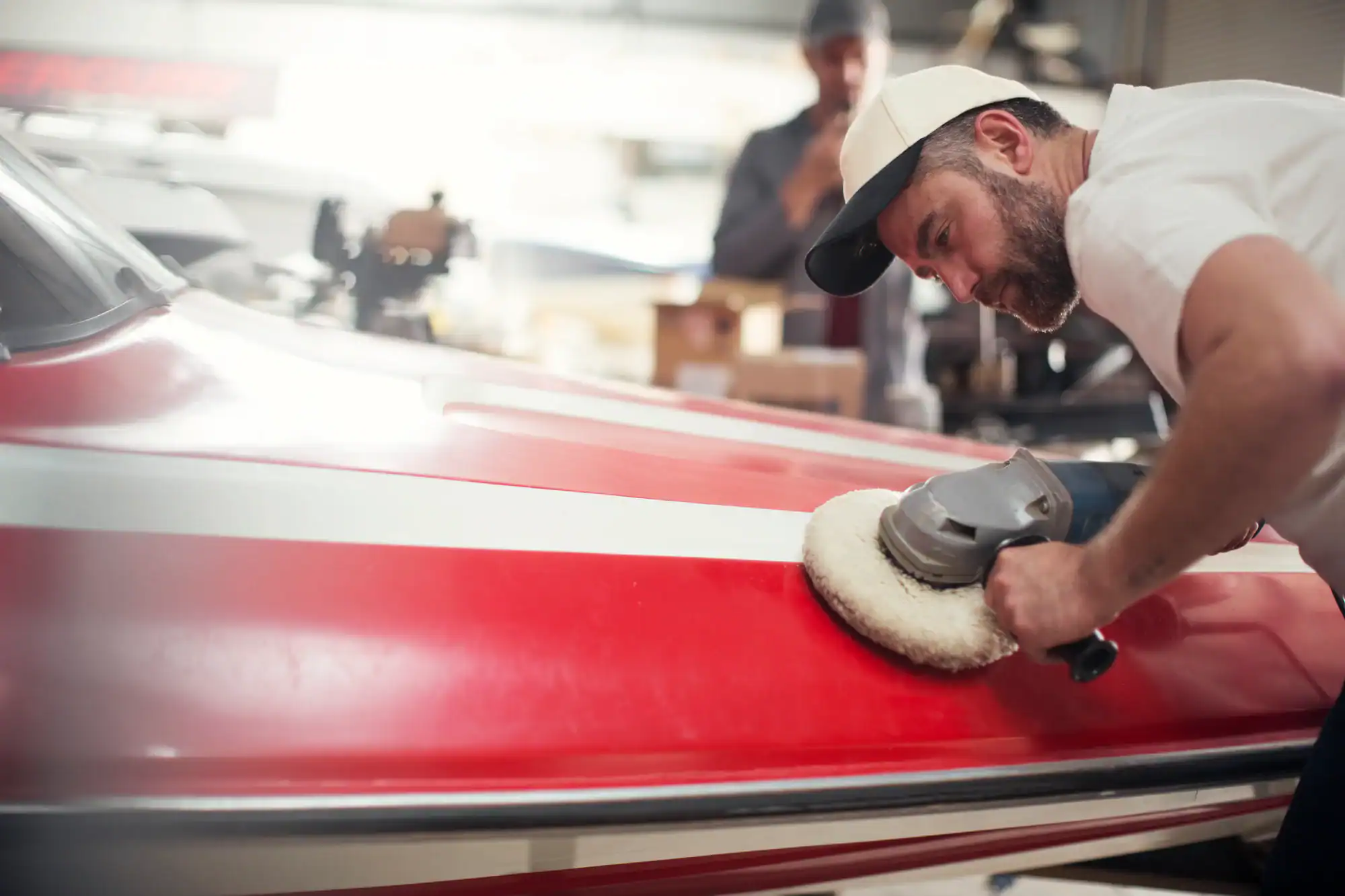
For a car that gets regular use on Long Island roads, a maintenance wash every two to four weeks keeps salt and contaminants from bonding to the paint. A full detail every three to six months — with proper decontamination, correction if needed, and a fresh protection layer — gives the paint and surfaces a real reset.
If you’ve had a ceramic coating applied, the maintenance schedule is lighter, but it still exists. Coatings don’t eliminate the need for care; they reduce the frequency and make each wash more effective.
Boats have their own rhythm. During active boating season — roughly Memorial Day through Columbus Day on Long Island — a boat that’s in regular use should get a professional detail every three to four months, with maintenance washes in between. Boats kept in the water full-time, exposed to saltwater, UV, and marine growth, need professional attention more frequently.
The logic is straightforward. Salt and UV don’t take breaks. Every week a boat or car sits without protection, the degradation compounds. A ceramic coating applied to clean, corrected paint or gel coat creates a barrier that dramatically slows that process — lasting significantly longer than conventional wax — but it needs to be applied correctly and maintained properly to deliver on that promise.
For Long Island vehicle and boat owners who treat their assets as investments rather than just transportation, staying ahead of the environment is the whole point. Documented professional care also matters for insurance purposes and resale value — a verifiable maintenance history tells the next owner (or your insurer) that the vehicle was taken seriously.
This is where a lot of people get surprised: most mobile detailers only work on cars. Boats are a different discipline entirely, and the products and techniques that work on automotive paint can actually damage marine surfaces if used incorrectly.
Boat gel coat, teak, stainless steel fittings, canvas, and marine upholstery each require specific chemistry. Automotive products aren’t formulated for these surfaces. Using the wrong cleaner on gel coat can strip its protective layer. Using the wrong conditioner on teak can seal out the natural oils the wood needs. Using a generic metal polish on stainless marine hardware can leave it more vulnerable to corrosion, not less. These aren’t hypothetical risks — they’re the kinds of mistakes that create expensive repair bills.
A detailer who works on boats should be using marine-specific products throughout — for the exterior gel coat, for the interior surfaces, for the teak, and for any metal hardware. They should also understand the difference between a boat that’s been kept in the water all season and one that’s been on a trailer, because the contamination profiles are completely different. Saltwater boats accumulate marine growth, oxidation, and waterline staining that require targeted treatment. Trailer boats deal more with road grime, UV exposure, and surface oxidation.
We work on both cars and boats, and we use marine-specific products for marine surfaces — not the same kit we’d bring to an automotive appointment. That distinction matters, especially for owners of high-value vessels who understand what their boat is worth and what it takes to keep it that way. Our facility is based in Port Jefferson Station, which puts us close to the North Shore boating community and within reach of Nassau and Suffolk County owners across Long Island who need a detailer that actually knows the difference.
The bar for calling yourself a mobile detailer is low. Anyone with a pressure washer and a social media account can take appointments. The difference between a professional operation and a side hustle shows up in the details — literally. Are they insured? Do they bring their own water and power? Do they use the right products for your specific vehicle type? Do they document the condition of your vehicle before they start?
For car owners and boat owners on Long Island, the environment makes those questions more important than they’d be almost anywhere else. Salt air, road salt, humidity, and UV don’t give you much margin for error, and a bad detail can cause more damage than no detail at all.
If you’re looking for a team that takes this seriously — one that works on exotic cars and luxury vessels, uses marine-grade products where they’re needed, and treats your vehicle like the investment it is — we’re worth a conversation.
Article details:
Share:
Continue learning:
