You've just bought your dream exotic car in New York. Now what? This checklist reveals the immediate steps that protect your investment and establish investment-grade pedigree from day one.
Share:
Summary:
The moment your exotic car left the factory, it started accumulating imperfections. Transport trucks, dealer lots, test drives, detailing by people who don’t understand exotic finishes—all of this happens before you ever take delivery. Even cars with protective film from the factory often arrive with swirl marks under that film, contamination on the paint, and interior surfaces that have been touched by dozens of hands using the wrong products.
This matters more in Nassau County, NY and Suffolk County, NY than almost anywhere else in the country. Long Island’s coastal location means salt air that travels miles inland, humidity swings that expand and contract materials, and temperature extremes that accelerate every form of deterioration. Your home garage experiences the same environmental stress as the outside air, just with a slight delay. If you wait even a few months to establish baseline protection through professional exotic car detailing NY services, you’re sealing in damage that’s already occurred.
The exotic car market is particularly sensitive to condition and documentation. When you eventually sell—whether that’s in two years or twenty—buyers will ask about your maintenance history from day one. They want to see professional luxury vehicle maintenance that started immediately, not repairs that started after problems became visible. That’s the difference between investment-grade pedigree and just another used exotic car.

Paint correction Long Island services aren’t about making your car “look pretty.” They’re about removing the defects that already exist on your supposedly perfect new exotic car before they become permanent problems. Even vehicles with single-digit miles typically need correction because of what happens before delivery.
Dealer lots are brutal environments. Your car sat outside or in warehouses where it collected fallout, dust, and contamination. It got washed by people using automated systems or techniques that create swirl marks. It was detailed for delivery using products and methods designed for regular cars, not exotic finishes. Test drivers touched it. Other customers touched it. Sales staff touched it. Every interaction left marks.
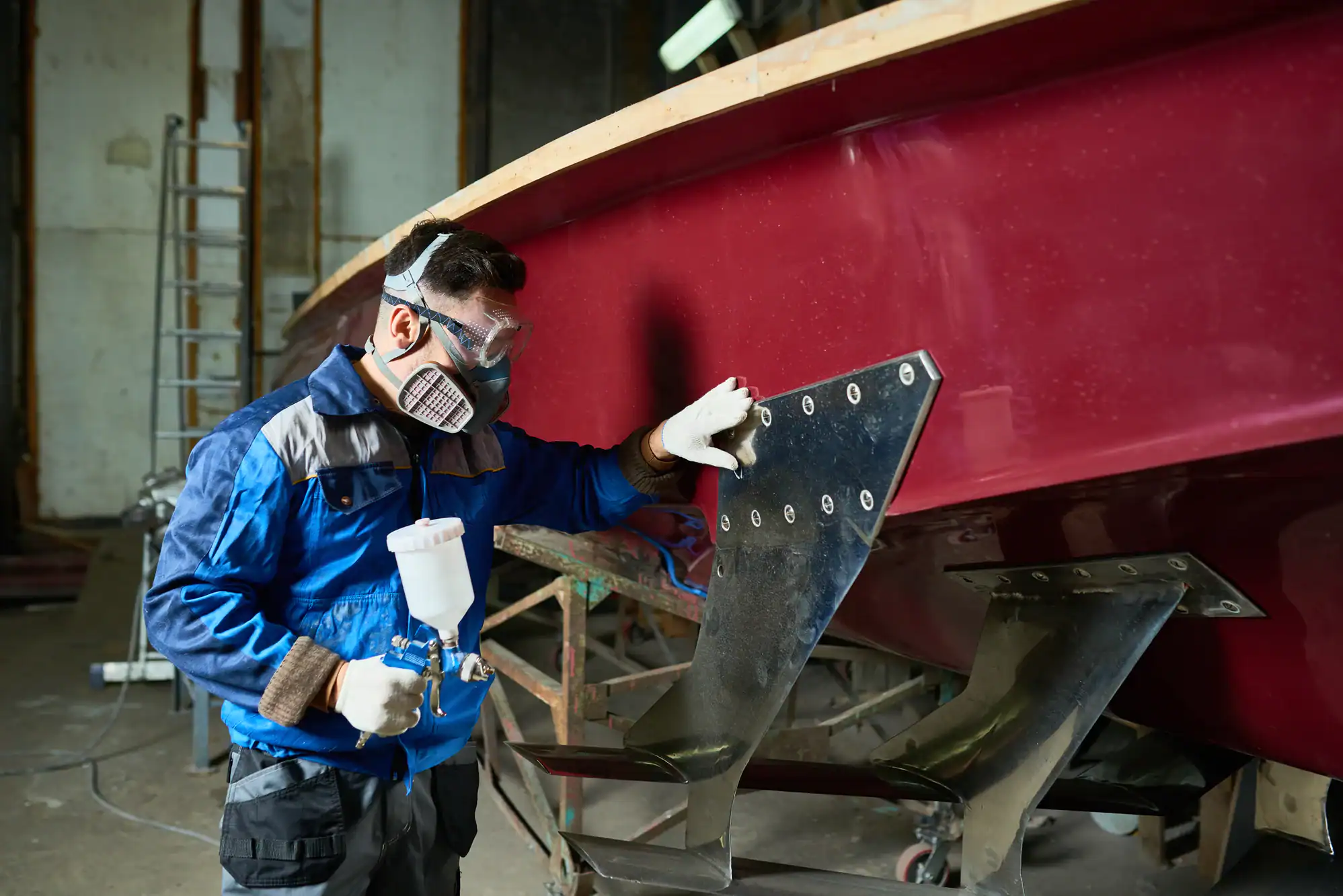
Professional paint correction in Nassau County, NY starts with decontamination—removing the embedded brake dust, iron particles, and bonded contaminants that washing can’t touch. These particles act like sandpaper if left in place. Then comes clay treatment to eliminate anything still stuck to the surface. Only after the paint is completely clean can actual correction begin.
The correction process itself uses measured compounds and techniques that remove microscopic amounts of clear coat to level the surface. Think of your paint defects as valleys—correction lowers the surrounding peaks to create a uniform plane. This requires paint depth measurement at every panel to ensure there’s adequate clear coat for the process. On exotic cars, where paint is often softer or applied differently than standard vehicles, this measurement isn’t optional.
What separates professional correction from what most detailers do is the progression from cutting to polishing to finishing. Single-stage correction forces a compromise between removing defects and achieving gloss. Multi-stage correction eliminates that compromise entirely. Heavy cutting compounds remove the deepest scratches and swirl marks. Intermediate polishing refines the surface. Final finishing creates the mirror-like clarity that makes exotic paint look the way it should.
Heat management matters throughout this process. Excessive heat from improper technique can actually soften your clear coat and create new problems. Professional equipment, proper pad selection, and controlled speeds prevent this entirely. The result is a surface that’s not just visually perfect, but structurally sound and ready for long-term protection.
For exotic car owners in Suffolk County, NY, this baseline correction creates the foundation for everything else. You can’t properly apply ceramic coating or paint protection film over contaminated or defective paint. Any imperfections get permanently sealed underneath, visible forever. Correction done right means your protection works the way it should, and your investment maintains the finish quality that buyers expect years down the road.
The Alcantara seats in your Lamborghini weren’t meant to be cleaned with household products. Neither were the Hermès-grade leather surfaces in your Bentley. Yet every day, exotic car owners in Nassau County, NY unknowingly damage their interiors simply because they don’t understand what these materials actually are or how they respond to standard cleaning approaches.
Exotic interiors use materials that cost more than most people’s entire cars. A full Alcantara interior replacement can run $15,000 or more. Exotic leather sections cost thousands per panel. These aren’t upgrades you can easily undo or repair—once damaged, they require complete replacement. And damage happens faster than you’d think, especially when the wrong products make contact with surfaces that have specific pH requirements and chemical sensitivities.
The problem starts with pH levels. Standard automotive cleaners typically range between pH 9-12, which works fine for basic vinyl and standard leather. Exotic materials require pH levels between 6-7, closely matching their natural chemistry. Using the wrong cleaner even once can cause irreversible harm—discoloration, texture changes, premature cracking, or surface breakdown that gets worse with every subsequent exposure.
Professional interior car restoration creates a protective barrier that resists staining and wear while maintaining the original appearance and feel. This isn’t coating that changes how the material looks or feels in your hand. It’s molecular-level protection that bonds with the surface, creating resistance to the oils, dirt, UV exposure, and moisture that cause long-term degradation.
Nassau County, NY and Suffolk County, NY’s coastal humidity creates specific challenges for exotic interiors. Moisture in the air accelerates material breakdown, particularly in vehicles that aren’t stored in climate-controlled environments. Salt air that makes its way into your garage affects interior materials just like it affects exterior paint. Temperature fluctuations cause materials to expand and contract, creating stress that leads to cracking over time.
Professional sealing addresses these environmental factors by creating a stable protective layer that buffers against humidity, temperature swings, and contaminant exposure. The treatment penetrates into the material structure rather than sitting on top like traditional protectants. This means it doesn’t wear off with normal use or create that artificial “coated” appearance that screams aftermarket treatment.
The application process requires understanding each material type individually. Alcantara needs different treatment than perforated leather. Smooth leather surfaces require different approaches than textured or embossed finishes. Carbon fiber trim, piano black surfaces, and exotic wood inlays each have specific requirements. Professional application means assessing every surface in your interior and using appropriate products and techniques for each.
Timing matters with interior protection just like it does with paint. The best time to seal exotic materials is before they accumulate the oils, dirt, and wear that come from regular use. Once staining or discoloration occurs, sealing locks in those imperfections. Starting with a professionally cleaned and sealed interior means you’re protecting pristine materials, not damaged ones.
For Long Island exotic car owners, this protection becomes part of your vehicle’s documented care history. When you sell, buyers examining your interior will see materials that look and feel like they did at delivery. They’ll see documentation showing professional treatment from day one. That’s the difference between a car that commands top dollar and one that gets negotiated down because the interior shows wear that shouldn’t be there.
Want live answers?
Connect with a Legacy Motors & Marine expert for fast, friendly support.
Professional maintenance records aren’t just paperwork—they’re financial instruments that directly impact your exotic car’s resale value. When buying a supercar in NY, most new owners focus on the purchase itself and miss the critical importance of establishing documentation from day one. The difference between a well-documented exotic and one without records can be tens of thousands of dollars when you sell.
Our “Baselines” approach means establishing this documentation from your first day of ownership. Full paint correction with before and after measurements. Interior sealing with photographic documentation. Detailed intake reports showing the exact condition at the start of your ownership. This creates a professional record that proves your vehicle received investment-grade care from the moment you took delivery.
Climate-controlled storage records add another layer of value. Professional facilities provide chain-of-custody documentation, environmental monitoring records, and detailed logs of every service performed while in storage. This matters enormously to buyers who want assurance that the vehicle wasn’t sitting in someone’s driveway accumulating environmental damage during ownership periods when it wasn’t being driven regularly.
Insurance companies recognize this documentation too. Professional storage and maintenance records can reduce premiums by up to 20% because they demonstrate lower risk. Your vehicle is in a controlled environment with monitoring systems, professional care, and documentation that streamlines claims processing if something does go wrong. That’s real money saved every year, not just theoretical value at resale.

Nassau County, NY and Suffolk County, NY present environmental challenges that most exotic car owners don’t fully appreciate until it’s too late. This isn’t Arizona or Colorado, where dry air and stable temperatures make vehicle preservation relatively straightforward. Long Island’s coastal location creates a perfect storm of conditions that accelerate every form of deterioration, making professional luxury vehicle maintenance absolutely essential.
Salt air doesn’t just affect vehicles parked near the beach. It travels miles inland, creating corrosion risks throughout both counties. This salt exposure impacts paint adhesion, accelerates oxidation, and attacks metal components in ways that aren’t immediately visible. By the time you see the damage, it’s already progressed far beyond surface level.
Temperature swings between seasons pose another serious threat. Your home garage experiences the same fluctuations as the outside environment, just with a slight delay. These constant expansions and contractions affect everything from paint to interior materials to mechanical seals. They accelerate wear that professional climate control prevents entirely.
Humidity is the third environmental factor that makes Long Island particularly challenging. Moisture in the air creates ideal conditions for mold, mildew, and material degradation. It affects electrical systems, promotes corrosion in hidden areas, and breaks down interior materials faster than dry climates. Exotic cars with complex electronics and sensitive materials are particularly vulnerable.
Insurance companies factor these regional risks into their premium calculations. A Ferrari stored in a Nassau County, NY home garage faces different risk assessments than the same vehicle in a dry climate. The humidity, salt exposure, and temperature variations specific to Long Island create accelerated depreciation that professional storage and protection directly address.
Winter presents its own set of challenges. Road salt used throughout Long Island is incredibly corrosive. Even if you don’t drive your exotic car in winter, salt tracked into your garage on other vehicles or blown in from nearby roads creates exposure. Professional winterization and storage eliminate this risk entirely by removing your vehicle from the salt-exposed environment during the most damaging months.
The solution isn’t avoiding Long Island—it’s understanding these challenges and taking appropriate protective measures. Professional ceramic coating creates a barrier against salt and moisture. Climate-controlled storage eliminates temperature swings and humidity exposure. Regular professional auto detailing catches developing issues before they become expensive problems. Together, these approaches neutralize the environmental factors that would otherwise accelerate your vehicle’s deterioration.
For exotic car owners who understand their investment’s value, this isn’t paranoia—it’s smart asset management. You wouldn’t store a valuable painting in a humid, salt-exposed environment with wild temperature swings. Your exotic car deserves the same level of environmental protection, particularly in a region where the conditions are this challenging.
Ceramic coating isn’t wax. It’s not sealant. It’s a permanent chemical bond with your paint’s clear coat that creates a protective layer at the molecular level. Once cured, professional-grade ceramic coating can last 5-7 years with proper maintenance, providing protection that traditional products can’t match.
The technology works through nanotechnology—microscopic ceramic particles that fill the pores in your clear coat and cure into a hard, glass-like layer. This creates a surface that’s significantly harder than your original clear coat, more resistant to scratching, and far more hydrophobic than any wax or sealant. Water beads and rolls off, carrying dirt and contaminants with it.
For Nassau County, NY and Suffolk County, NY exotic car owners, ceramic coating addresses the specific environmental challenges of coastal locations. The coating creates a barrier against salt air, preventing it from bonding with your paint. It blocks UV rays that cause oxidation and fading. It resists the acidic contaminants from bird droppings, bug splatter, and tree sap that are particularly damaging to exotic finishes.
The application process requires expertise that comes from years of experience with high-end vehicles. Each panel must be perfectly prepared through paint correction Long Island services before coating application. Any remaining imperfections become permanently sealed under the coating, which is why proper preparation is absolutely essential. Professional installation includes paint depth measurement to ensure adequate clear coat thickness for long-term durability.
Different paint systems react differently to coating chemistry. Exotic car finishes—whether they’re Ferrari’s multi-layer metallic systems, Lamborghini’s custom colors, or McLaren’s specialized formulations—each have specific characteristics that affect how coatings bond and cure. Understanding these differences and adjusting technique accordingly is what separates professional results from failed applications.
The investment in professional ceramic coating pays dividends through enhanced durability and optimal performance. Your vehicle stays cleaner longer. Washing becomes safer and less abrasive because contaminants don’t bond as strongly to the surface. The coating maintains that deep, wet-looking gloss that makes exotic paint look the way it should. And most importantly, it protects your investment’s value by preventing the paint deterioration that reduces resale prices.
Long Island’s harsh winter conditions make ceramic coating particularly valuable. Road salt, de-icing chemicals, and winter grime that would normally bond to your paint and cause damage simply can’t penetrate the ceramic barrier. Even if you don’t drive your exotic car in winter, the protection remains active during storage, preventing the slow degradation that occurs even in garage environments.
The documentation of professional ceramic coating application becomes part of your vehicle’s service history. Buyers want to see that your exotic car received this level of protection, particularly when that protection was applied immediately after purchase over properly corrected paint. It’s another signal that the vehicle received investment-grade care throughout your ownership.
The decisions you make in the first 30 days after buying your exotic car will impact its value, appearance, and condition for the entire time you own it. Waiting to establish baseline protection means sealing in damage that’s already occurred. Skipping professional interior car restoration means exposing materials that cost thousands to replace to products and conditions that cause irreversible harm. Avoiding climate-controlled storage in Long Island’s coastal environment means accepting accelerated deterioration that professional care prevents.
This isn’t about spending money for the sake of spending money. It’s about understanding what actually happens to exotic cars in the real world and taking the steps that separate smart asset management from expensive mistakes. The exotic car market rewards documented professional care from day one. Insurance companies recognize and discount for proper storage and protection. And most importantly, you get to enjoy your investment knowing it’s receiving the level of care it deserves.
For Nassau County, NY and Suffolk County, NY exotic car owners ready to establish investment-grade pedigree from the start, we provide the specialized exotic car detailing NY services that match your vehicle’s value and your expectations.
Article details:
Share:
Continue learning: